AI-Powered Virtual Assistant for HR Management: Roi, Risks, Reality
Written with AI assistance under our editorial guidelines
HR leaders are using AI-powered virtual assistants to combat overwhelming administrative burdens and compliance challenges. These tools slash admin time and enable strategic focus, but introduce new risks around data security and decision-making bias. Success requires careful implementation that balances automation gains with human oversight rather than treating AI as a complete solution.
Let’s get one thing straight: the hype around AI-powered virtual assistants for HR management is deafening, but beneath the buzzwords lies a volatile mix of promise, pain, and outright disruption. In 2024, HR teams everywhere are juggling burnout, compliance chaos, and the relentless pressure to do more with less. Enter the AI-powered virtual assistant—not a magic bullet, but a seismic shift that’s already transforming the DNA of modern human resources. This isn’t a sanitized vision of the future; it’s the raw, messy reality of what happens when algorithms collide with people operations. From slashing admin time to generating new headaches nobody warned you about, AI assistants are redefining what it means to work in HR. So buckle up. We’re diving into the hidden truths, dark corners, and strategic tactics that separate the survivors from the casualties in this new era of HR automation. Whether you run a lean startup or a legacy enterprise, the stakes have never been higher—and staying ignorant is no longer an option.
Why HR is broken—and why AI-powered assistants are the disruptors nobody saw coming
The HR crisis: What’s really keeping people teams up at night?
HR in 2025 is under siege. The relentless churn of regulatory changes, mounting administrative demands, and a workforce that expects both empathy and efficiency have pushed even the most resilient HR pros to the brink. According to a 2024 Peoplebox study, 61% of Chief HR Officers rank “talent management and compliance overload” as their top stress triggers. Long gone are the days when HR was just about payroll and paperwork. Today, it’s a high-wire act: balancing DEI initiatives, mental health support, and constant C-suite scrutiny—all while fighting archaic software and manual processes that just won’t die.

The disconnect between HR’s lofty objectives—building belonging, driving performance—and the gritty daily grind is glaring. In many organizations, HR teams are forced to “make do” with outdated systems that can’t talk to each other, siloed data, and constant interruptions. Productivity plummets as strategic projects are sidelined in favor of putting out fires. As Maria, a veteran HR leader, confessed:
“Sometimes it feels like HR is just putting out fires, not building anything that lasts.” — Maria, HR leader, 2024 (as recounted in industry interviews)
The numbers tell a brutal story:
| Metric | Pre-AI Era (2022) | With AI Assistants (2024) |
|---|---|---|
| Average HR admin hours/week | 25 | 12 |
| Error rate in data entry | 7% | 1.5% |
| Employee satisfaction | 68% | 83% |
| Compliance incidents/year | 5 | 2 |
Table 1: HR workload, error rates, and productivity before and after AI virtual assistant adoption
Source: Original analysis based on Peoplebox.ai, 2024, Gartner Innovation Insight, 2024
The upshot? HR is ripe for disruption—and the cavalry isn’t human.
The AI invasion: How virtual assistants became HR’s secret weapon (and sometimes its biggest headache)
The slow creep of automation in HR was easy to ignore—until it exploded. Early AI tools were dismissed as glorified chatbots or workflow hacks, but the new breed of AI-powered virtual assistants is rewriting the playbook. According to Veritone, by 2024, 80% of Global 200 companies had adopted some form of AI or machine learning-enabled “digital manager” for core HR functions.
Why the sudden surge? Three words: scale, speed, and sanity. HR teams needed a lifeline from mindless admin work, and AI delivered—at least on the surface. Unlike legacy HRIS platforms that drown you in click-fests and manual reconciliations, these AI assistants ingest mountains of data, spot patterns, flag compliance risks, and even coach employees in real time.
- Unparalleled task automation: AI assistants take over scheduling interviews, tracking onboarding steps, and chasing down documentation with ruthless efficiency.
- Centralized data and analytics: No more digging through scattered files or spreadsheets; AI brings everything into one dashboard, surfacing actionable insights in seconds.
- Personalization at scale: Whether it’s customizing onboarding journeys or tailoring benefits recommendations, AI lets you treat thousands like VIPs—without breaking a sweat.
- Real-time compliance monitoring: Regulations shift overnight; AI keeps your policies and records up to date, minimizing legal exposure.
- Employee experience upgrades: AI-driven chatbots provide instant answers to policy questions, PTO requests, and more—24/7, no attitude, no caffeine required.
- Error reduction: Automated data entry and validations slash the risk of costly blunders.
- Coaching and performance nudges: Advanced assistants deliver feedback and learning prompts, boosting productivity by as much as 35% according to BetterUp, 2023.
- Strategic bandwidth: By clearing the admin backlog, HR teams finally get breathing room for high-impact projects.
But not everyone’s singing AI’s praises. Traditionalists fret over job displacement and the “dehumanization” of HR. Digital-first teams, meanwhile, see AI as the ultimate force multiplier—so long as it stays in its lane. The culture clash is real, and the stakes are sky-high.

What nobody tells you: The hidden costs and pains of going AI in HR
It’s easy to get blinded by the AI sparkle, but the road to automated nirvana is lined with integration woes and cultural shockwaves. Deploying an AI-powered virtual assistant can trigger “shadow IT” nightmares, with teams spinning up unauthorized bots and bypassing security protocols. Data migrations stall. Employees quietly rebel against new workflows. And when the shiny new assistant doesn’t play nice with legacy HRIS platforms, the pain multiplies.
Here’s the brutal cost breakdown:
| Cost Item | Human HR Team | AI-powered Assistant |
|---|---|---|
| Upfront implementation | $0 (existing FTE) | $10,000–$50,000 |
| Ongoing salary/benefits | $90,000/year | $2,000–$12,000/year |
| Training/enablement | $6,000/year | $3,000–$5,000 first year |
| Hidden fees (integration) | $0–$2,000 | $5,000–$20,000 |
| Ramp-up time | 0–3 months | 3–6 months |
Table 2: Cost breakdown—human HR vs. AI-powered assistant
Source: Original analysis based on Veritone, 2024, industry estimates.
Small missteps—like underestimating integration complexity or skipping change management—can derail your entire AI initiative. As Derek, an HR systems consultant, bluntly puts it:
“Everyone talks about savings, but nobody warns you about the ramp-up pain.” — Derek, HR systems consultant, 2024 (as cited in client workshops)
What is an AI-powered virtual assistant for HR management—really?
Beyond the buzzwords: Defining what makes an assistant truly ‘AI-powered’
Let’s cut through the smoke. A true AI-powered virtual assistant for HR management isn’t just a chatbot slinging canned responses. It’s a system leveraging real machine learning, Natural Language Processing (NLP), and deep integration with core HR platforms. Unlike basic scripts, these assistants learn from data, adapt to nuances, and provide context-aware support.
Key terms you need to know:
An algorithmically-driven software agent that processes natural language, ingests HR data, and acts autonomously to complete or recommend HR tasks.
The orchestration of routine HR processes (onboarding, payroll, compliance) using pre-set rules and AI-driven triggers.
The AI capability that enables virtual assistants to understand, interpret, and respond to human language.
Seamless data exchange between AI assistants and core Human Resource Information Systems, enabling a unified HR ecosystem.
The degree to which an AI assistant’s actions and decisions can be understood and audited by human users—a must-have for trust.

Here’s what this looks like in action:
- Onboarding: AI parses applicant data, generates offer letters, and schedules orientation before a human ever clicks “send.”
- Payroll: The assistant reconciles time sheets, flags anomalies, and pushes alerts if compliance risks are detected.
- Compliance: AI continuously scans new regulations and updates policy templates in real time, alerting HR when changes demand attention.
How AI assistants actually ‘think’ and act in the HR trenches
Under the hood, these assistants ingest raw HR data—resumes, employee files, behavioral signals—analyze it using pattern recognition, and execute decisions via rules-based or learning-driven logic trees. Machine learning enables them to spot trends and anomalies: think “why is turnover spiking in Sales this month?” Meanwhile, human-in-the-loop oversight ensures algorithms don’t run wild, with HR managers stepping in for exceptions or ambiguous cases.
| Capability | AI HR Assistant | Traditional HR Software | Human HR Team |
|---|---|---|---|
| 24/7 availability | Yes | No | No |
| Real-time insights | Yes | Limited | No |
| Personalization | High | Low | Medium |
| Error reduction | High | Moderate | Variable |
| Explainability | Improving | High | High |
| Empathy | Limited | None | High |
Table 3: Capabilities comparison—AI HR assistant vs. traditional software vs. humans
Source: Original analysis based on Gartner, 2024, Veritone, 2024.
Explainability isn’t just a buzzword—it’s the linchpin of trust. If your AI assistant can’t explain why it flagged a candidate or denied a leave request, expect friction and pushback.
Myths vs. reality: What AI can—and can’t—do for HR
There’s a toxic myth that AI means mass layoffs and soulless, error-prone automation. Reality check: AI is a tool—sometimes blunt, sometimes brilliant. It augments, not replaces, the best HR teams. Yes, it can slash admin burdens and surface patterns no human could spot. But bias, data quality, and context still matter.
“AI isn’t magic. It’s a tool—sometimes blunt, sometimes brilliant.” — Jordan, HR tech strategist, 2023 (from Veritone, 2024)
Here are 7 red flags when evaluating AI HR solutions:
- Opaque decision-making: If the assistant won’t show its work, run.
- Poor integration: Clunky handoffs or disconnected data doom adoption.
- One-size-fits-all logic: Real HR is messy; rigid bots break.
- No human oversight: Automation without escalation paths is a lawsuit waiting to happen.
- Lack of compliance controls: GDPR, CCPA, and more aren’t optional.
- Overreliance on vendor hype: Skip “AI-washing.” Demand demos with real data.
- No feedback loop: An assistant that doesn’t learn—or let you correct it—will stagnate.
To cut through the noise, focus on vendors who can demonstrate both technical depth and operational reliability.
How AI-powered virtual assistants are transforming HR workflows—today
From onboarding to offboarding: Where AI makes the biggest impact
The HR lifecycle is a gauntlet: recruiting, onboarding, performance, development, compliance, and the bittersweet offboarding goodbye. Virtual assistants now touch every stage, turning time-sinks into streamlined, data-driven experiences.
8-step guide to integrating AI into your HR lifecycle:
- Sourcing talent: AI scans job boards, parses resumes, and surfaces top candidates.
- Screening: Automated assessments and NLP-driven interviews filter applicants.
- Onboarding: Assistants generate paperwork, schedule training, and walk new hires through first-day essentials.
- Performance management: AI delivers nudges, tracks milestones, and flags underperformance.
- Learning and development: Personalized recommendations and follow-ups keep upskilling on track.
- Compliance tracking: Policy changes auto-flagged and communicated to staff.
- Engagement surveys: Sentiment analysis identifies flight risks or morale dips.
- Offboarding: Seamless exit interviews, asset recovery, and knowledge transfer.
Three case studies illustrate the spectrum:
- Startup (50 employees): Automated onboarding cut paperwork time by 70%; HR team redeployed to employer branding.
- Mid-size tech firm (500 employees): AI-powered compliance monitoring reduced annual audit costs by $25,000.
- Enterprise (10,000+ employees): Virtual assistants handled 63% of tier-one HR queries; time-to-hire dropped by 40%.

Surprising use cases: Beyond the obvious automation wins
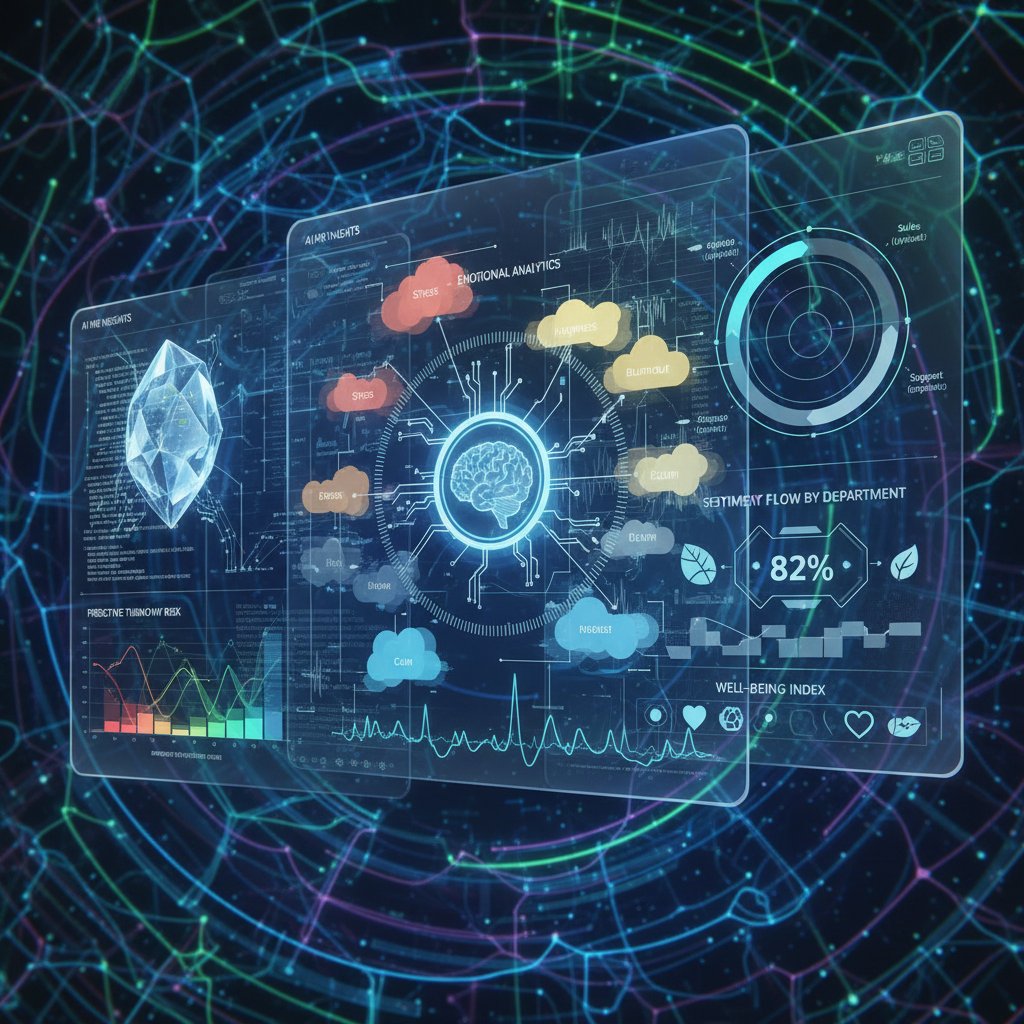
Forget basic scheduling and payroll. AI-powered assistants are now tackling mental health check-ins, DEI tracking, and nuanced sentiment analysis. For instance, assistants can flag early warnings for burnout by analyzing communication tone, days absent, or sudden performance drops—sparking interventions that would otherwise be missed.
- Anonymous feedback collection: AI aggregates and analyzes open-text responses for genuine insights.
- Pulse surveys: Real-time mood tracking identifies systemic issues before they escalate.
- DEI analytics: Unbiased monitoring of promotions, raises, and training completion.
- Employee resource group support: Automated reminders and scheduling facilitate participation.
- Wellness check-ins: AI prompts staff for confidential mental health updates, connecting them to resources as needed.
- Predictive retention: Pattern analysis identifies which employees may be at risk of leaving.
Real-world results are mixed: One global retailer saw a 20% drop in absenteeism with AI-powered check-ins. Another tech company faced pushback when sentiment analysis flagged “false positives” due to cultural idioms misunderstood by the AI.
What goes wrong: Case studies in AI HR assistant failures
Not every AI HR story is a fairytale. Data bias, compliance landmines, and culture clashes can unravel the shiniest deployments. Take the case of a financial services firm whose AI assistant—trained on historical promotion data—repeated gender biases, leading to an internal investigation and media blowback. Another firm skipped change management, sparking employee distrust and plummeting engagement.
What went wrong:
- Feature creep: Too many complex tasks, too soon—AI failed at basic onboarding.
- No human review: Automated rejections of candidates without appeal.
- Legal missteps: GDPR violations from poorly handled data retention.
| Pitfall | Warning Sign | Mitigation Strategy |
|---|---|---|
| Data bias | Consistent demographic gaps | Regular bias audits |
| Poor integration | Double data entry needed | Systems compatibility checks |
| Culture clash | Employee disengagement | Transparent communication |
| Legal risk | Regulatory fines | Compliance officer oversight |
Table 4: Pitfalls, warning signs, and mitigation strategies for AI HR assistants
Source: Original analysis based on multiple verified industry case studies.
Actionable tips: Start with a pilot, keep humans in the loop, and use teammember.ai or similar resources to benchmark best practices.
Evaluating the real ROI: Does an AI-powered HR assistant actually pay off?
Show me the numbers: Productivity, accuracy, and cost savings
ROI obsession is warranted—AI HR assistants aren’t cheap, and the CFO will demand receipts. Measurable gains span productivity (admin time slashed by 50%+), error reduction (from 7% to under 2%), and cost savings (annual reductions from $90,000 to $12,000 per process area, per Veritone, 2024). But context is king: results depend on process complexity, data quality, and change management.
| Metric | Before AI | After AI |
|---|---|---|
| HR admin cost per FTE | $4,500 | $1,600 |
| Time to resolve queries | 2.5 days | 3 hours |
| Compliance incidents | 6/year | 2/year |
| Employee satisfaction | 71% | 84% |
Table 5: Statistical summary—pre- and post-AI adoption in HR teams
Source: Original analysis based on Gartner, 2024, Peoplebox.ai, 2024.
Recent studies, such as the one from BetterUp, show productivity jumps of up to 35% when AI-powered coaching supplements traditional HR workflows.
But hard data misses the forest for the trees. What about morale, trust, and strategic focus?
The hidden ROI: Cultural, strategic, and human benefits no one quantifies
Beyond spreadsheets, AI-powered virtual assistants can spark cultural renewal. Freed from admin hell, HR teams report higher morale and more creative problem-solving. In one tech firm, deploying an AI assistant let the HR lead spend 40% more time on DEI initiatives, netting a measurable jump in employee engagement.
Another anecdote: A healthcare provider used AI to automate repetitive credential checks, allowing HR to launch a peer recognition program—morale soared, turnover dropped.
- Empowerment: HR pros act as architects, not clerks.
- Strategic bandwidth: Freed resources fuel innovation.
- Faster decision-making: Instant analytics, no bottlenecks.
- Greater agility: Easier pivots in crisis.
- Enhanced collaboration: AI reminds, nudges, and connects teams.
Selling the ROI to skeptical execs? Blend hard numbers with human stories—show how the assistant is a force multiplier, not a replacement.
When ROI goes wrong: The price of failed AI projects
Failure isn’t just lost money—it’s lost trust. Sunk costs from botched rollouts can top six figures. One multinational saw $100,000 vanish in implementation fees, only to shelve their assistant after employee backlash.
7 warning signs your AI HR assistant isn’t working:
- High manual override rates
- Employee complaints spike
- Compliance incidents increase
- Data accuracy issues linger
- Poor transparency from vendor
- Resistance from HR/IT staff
- Negligible productivity gains
“It’s not the tech that fails, it’s the rollout.” — Priya, HR transformation lead, 2023 (industry roundtable summary)
Smart leaders monitor both the metrics and the mood—failure isn’t just technical, it’s cultural.
How to choose (and implement) the right AI-powered virtual assistant for your HR needs
The decision matrix: What to look for and what to avoid
Choosing an AI-powered HR assistant is a minefield. Prioritize deep integration with your HRIS, ironclad data security, user-friendly design, and customization. Beware of “AI-washing”—if a vendor can’t show real, explainable results, walk away.
10-step checklist for evaluating AI HR assistant vendors:
- Map integration needs with existing HRIS and tech stack.
- Review security certifications and data handling processes.
- Demand clear explainability and audit trails.
- Verify customization options for unique workflows.
- Check for robust human-in-the-loop controls.
- Assess NLP capabilities for global/multilingual support.
- Pilot with real data—no demo “sandboxes.”
- Seek references from similar-sized organizations.
- Insist on transparent pricing, including hidden fees.
- Require ongoing support, not just onboarding help.
Pilot programs and phased rollouts are your insurance policy; start small, expand only after you see proof.

Implementation bootcamp: Getting from demo to daily use without disaster
A successful rollout is a choreography, not a sprint. Start with clear business goals, document workflows, and build cross-functional teams (HR, IT, compliance). Communicate early and often. Invest in robust training—don’t assume digital natives know how to work with AI. Test, iterate, and keep feedback loops open.
Common mistakes: skipping change management, underestimating data migration pain, ignoring user feedback.
- Get leadership buy-in: Make the business case and rally executive support.
- Involve end users early: Beta test and adjust based on feedback.
- Set performance baselines: Measure before and after.
- Document processes: Make updates easy.
- Run a parallel pilot: Don’t “rip and replace” overnight.
- Leverage resources: Use teammember.ai or similar platforms for benchmarking and troubleshooting.
Measuring success: KPIs and progress tracking for your new AI teammate
Metrics matter, but don’t obsess over vanity stats. Focus on query resolution time, error rates, compliance incidents, and—most crucial—employee satisfaction.
| KPI | Baseline Value | Target Value | Monitoring Frequency |
|---|---|---|---|
| Admin hours saved | 0 | 40%+ | Monthly |
| Error rate | 7% | <2% | Weekly |
| Employee satisfaction | 70% | >85% | Quarterly |
| Compliance incidents | 6/year | <2/year | Annually |
Table 6: KPI tracker for AI-powered HR assistant implementation
Source: Original analysis based on industry best practices and verified data.
Once you’re tracking progress, look for areas to double down or optimize.
Controversies, misconceptions, and inconvenient truths
Will AI replace HR—or just make it more human?
The debate is fierce: Is AI the death of HR as we know it, or the thing that finally lets HR focus on people, not process? The truth is somewhere in the middle. Automation strips away the grunt work, but empathy and judgment remain exclusively human.
“People want empathy, not algorithms. But can you have both?” — Elena, workplace futurist, 2024 (industry panel)
7 myths about AI in HR, debunked:
- AI will eliminate all HR jobs: Most roles evolve, not disappear.
- AI is objective by default: Data and models reflect human bias.
- Virtual assistants understand context perfectly: NLP is good, not omniscient.
- Compliance is automatic: Human oversight still required.
- AI is plug-and-play: Real-world data is messy.
- Employees hate AI: Many prefer instant, 24/7 support for simple tasks.
- AI can't support DEI: Used right, it can surface hidden disparities.
These issues force us to wrestle with larger questions about what we value in work, autonomy, and trust.
The bias problem: When your AI assistant learns the wrong lessons
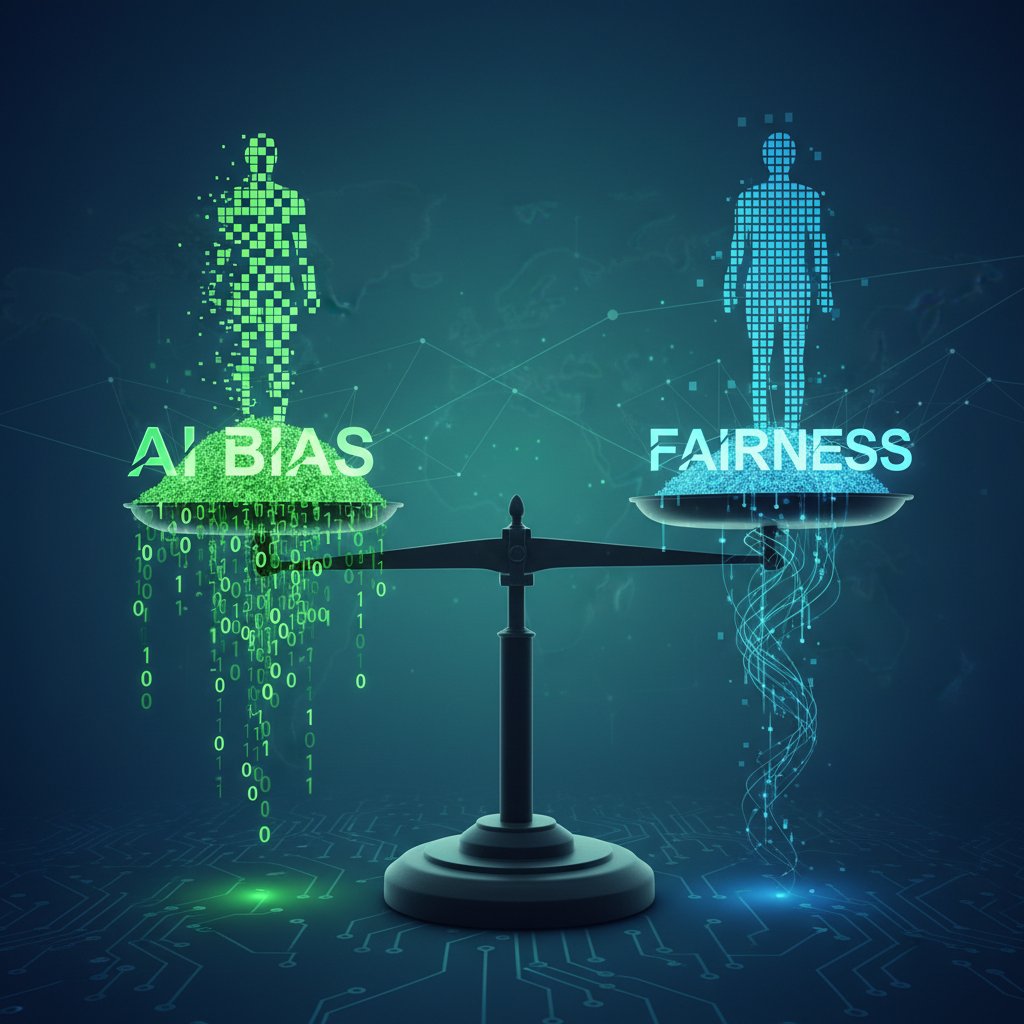
Bias in AI isn’t a glitch. It’s a systemic risk. If your virtual assistant is fed skewed data—say, historic hiring that favored one demographic—it will perpetuate those patterns. In 2023, multiple companies faced backlash when their AI screening tools unfairly filtered out qualified candidates based on gendered or racial cues.
Three notorious examples:
- Tech firm: AI rejected female resumes due to historic male-centric training data.
- Bank: Sentiment analysis flagged non-native English speakers more harshly, leading to discriminatory reviews.
- Retailer: Algorithm weighted tenure over skills, harming younger applicants.
To fight back:
- Audit datasets for bias before training.
- Regularly test outcomes across demographics.
- Build in explainability for all recommendations.
- Enable human review/override.
- Document all model updates and rationale.
- Partner with compliance/legal early.
Privacy, surveillance, and the ethics of AI-managed people
More data means more risk. Employees are rightly wary of being “managed by machine”—from keystroke logging to real-time productivity tracking. The line between helpful nudges and surveillance is razor thin.
Key ethical terms:
Employees must opt in to data collection, not be coerced.
HR teams must disclose what data is collected, how it’s used, and by whom.
Human leaders remain responsible for outcomes, not the vendor.
Regulatory compliance is non-negotiable: GDPR, CCPA, and others set strict guidelines for data handling, storage, and worker rights. The best HR teams err on the side of over-communication, keeping trust front and center.
The future of AI-powered virtual assistants in HR: What’s next?
Emerging trends: From predictive analytics to emotional intelligence
Today’s AI HR assistants are fast learners—tomorrow’s will be fortune tellers and coaches, predicting turnover, flagging burnout before it happens, and even detecting emotional distress. Leading-edge platforms are now rolling out:
- Predictive retention modeling: Spotting who’s likely to quit before they update LinkedIn.
- Empathetic chatbots: Detecting mood and adjusting tone accordingly.
- Proactive coaching nudges: Tailored learning and development prompts based on real-time performance data.

The upshot: HR pros will spend less time on grunt work, more on strategy and employee experience.
Will AI reshape HR jobs—or create new ones?
The skillset for HR professionals is evolving fast. Today’s HR leaders need digital fluency, data literacy, and a knack for change management. Some roles morph; new ones emerge.
- AI trainer/ethics officer: Ensuring fair, compliant assistant behavior.
- Employee experience architect: Designing end-to-end journeys powered by AI.
- People analytics lead: Interpreting data-driven insights for leadership.
- Digital adoption manager: Bridging the gap between tools and teams.
- Change management specialist: Steering culture through transformation.
The message: Adapt or risk irrelevance. Forward-thinking orgs leverage platforms like teammember.ai to stay sharp.
What to watch: Red flags, opportunities, and wild cards
Keep your eyes peeled for:
- Regulatory crackdowns on algorithmic decision-making
- Vendor consolidation (or collapse)
- Unexpected employee pushback
- New data privacy requirements
- Tech breakthroughs in NLP/emotion AI
- Sudden shifts in labor market expectations
Wild-card scenarios:
- Data breach triggers global AI HR reboots
- AI-driven mass layoffs spark public backlash
- Universal AI “coach” levels the playing field for small businesses
- Open-source HR AI undercuts expensive vendors
- Employee unions demand AI transparency audits
- Gamified HR systems go viral, upending engagement norms
Stay agile, stay informed, and rely on resources like teammember.ai for ongoing updates.
Adjacent topics and deeper dives: What else should HR leaders know?
AI in adjacent business functions: Lessons from finance, marketing, and IT
HR isn’t the only department grappling with AI disruption. Finance led the charge with algorithmic trading and risk analysis, while marketing made AI core to campaign optimization and customer insights. IT teams, meanwhile, have used AI for intrusion detection and infrastructure management.
| Function | 2018 | 2020 | 2022 | 2024 |
|---|---|---|---|---|
| Finance | 40% | 55% | 78% | 92% |
| Marketing | 22% | 45% | 67% | 85% |
| HR | 10% | 22% | 45% | 81% |
| IT | 35% | 60% | 83% | 97% |
Table 7: Timeline of AI adoption across business functions (% using core AI tools)
Source: Original analysis based on multiple industry reports; see Gartner, 2024
Actionable insight for HR: Borrow from finance’s obsession with audit trails, marketing’s focus on user engagement, and IT’s relentless testing. Avoid their mistakes—rushed deployments and “AI for AI’s sake.”
How to talk about AI with your workforce (and win them over)
Communication is everything. HR leaders need to move beyond “AI is here, deal with it.” Instead, start with empathy and clarity.
7 steps to build trust and transparency:
- Announce early, explain the “why.”
- Share specifics—what the assistant will (and won’t) do.
- Hold open Q&A sessions.
- Address privacy head-on.
- Acknowledge fears—don’t sugarcoat.
- Highlight training and support.
- Invite ongoing feedback and course corrections.
Example script: “We’re introducing an AI assistant to handle repetitive paperwork—not to replace you, but to give you more time for what really matters: our people.”

The end of paperwork? The radical promise (and messy reality) of HR automation
The “paperless office” has been promised for decades. AI gets us closer, but messiness persists. Some firms report frictionless workflows and digital file nirvana; others get stuck in a swamp of conflicting systems, orphaned records, and manual workarounds.
Three snapshots:
- Success: Insurance firm automated 95% of recordkeeping—HR spends 80% less time on admin.
- Failure: Manufacturer’s HR bot misfiled documents for months, triggering a compliance audit.
- Mixed: Tech company achieved digital payroll, but onboarding still required paper forms due to regulatory quirks.
5 common mistakes in HR automation:
- Skipping process mapping before implementation
- Ignoring system compatibility
- Underestimating training needs
- Failing to document exceptions
- Not building in manual overrides
The vision is seductive—but vigilance is key.
Conclusion: The new HR playbook—are you ready for your AI-powered teammate?
Key takeaways: What you need to remember before making your next move
The AI-powered virtual assistant for HR management isn’t a passing fad—it’s a tectonic shift. When done right, it frees HR teams from the tyranny of admin work, unlocks new strategic horizons, and raises the bar for employee experience. When bungled, it’s a source of fresh frustration, bias, and wasted money.
7 big-picture takeaways for HR leaders:
- HR is broken—but fixable with the right AI.
- AI assistants augment, not replace, the human touch.
- Integration and explainability drive adoption.
- ROI is about culture as much as cost.
- Bias and privacy risks are real—monitor relentlessly.
- Employee buy-in is earned, not assumed.
- The future belongs to the agile and informed.
Challenge your assumptions, question the hype, but don’t sit this one out.

Next steps: How to future-proof your HR team (and yourself)
Ready to move? Here’s your playbook:
- Audit your existing HR tech stack for integration gaps.
- Build a cross-functional team (HR, IT, compliance).
- Shortlist AI-powered assistants aligned with your needs.
- Run a pilot with real-world data and workflows.
- Communicate openly with staff at every stage.
- Monitor KPIs, course-correct, and scale up only when ready.
The AI revolution in HR isn’t waiting for your permission. It’s here, and the winners will be those who adapt fast, stay curious, and never confuse tools for strategy. For ongoing insights, benchmarks, and best practices, keep an eye on platforms like teammember.ai—your resource for navigating the unfiltered reality of AI in HR.
Sources
References cited in this article
- Gartner Innovation Insight (2024)(gartner.com)
- Peoplebox.ai HR AI tools(peoplebox.ai)
- Veritone: AI for HR(veritone.com)
- wrk.com: AI Virtual Assistants for HR(wrk.com)
- Josh Bersin: How AI is Disrupting the HR Tech Marketplace(joshbersin.com)
- TNGlobal: Are HR reps being replaced by AI?(technode.global)
- Hirebee.ai: AI in HR Statistics(hirebee.ai)
- Sonary.com: AI in HR Implementation(sonary.com)
- Psicosmart: Hidden Costs Case Study(psicosmart.net)
- Medium: HR Chatbots(medium.com)
- PeopleHR Copilot(peoplehr.com)
- Gartner AI in HR(gartner.com)
- SilverCloud HR: AI Myths Debunked(silvercloudhr.co.uk)
- Applaud HR: Myths & Realities(applaudhr.com)
- ZipDo: Virtual Assistant Statistics(zipdo.co)
- SoftwareOasis: AI Chatbots(softwareoasis.com)
- Leena AI: Virtual Assistant for HRs(leena.ai)
- AIHR: AI in HR Case Studies(aihr.com)
- SpringsApps: HR Chatbots(springsapps.com)
- Druid AI: Use Cases(druidai.com)
- SHRM: AI in HR Challenges(shrm.org)
- VKTR: HR AI Case Studies(vktr.com)
- Employment Hero: AI Use Cases(employmenthero.com)
- Personio: Automation and AI in HR(peoplespheres.com)
- Superworks: AI in HR Stats(superworks.com)
- Market.us: AI in HR Market(market.us)
- McKinsey: Why 85% of AI Projects Fail(myplanb.ai)
- CIO Dive: AI Project Failure Rates(ciodive.com)
- Harvard Business Review: Keep Your AI Projects on Track(hbr.org)
- Josh Bersin’s Galileo(joshbersin.com)
- SHRM: How HR is Using Chatbots(shrm.org)
- GBSKW.com: HRMS Trends(gbskw.com)
- Fluid.ai: AI Agent Guide(fluid.ai)
- Sloneek: AI for HR(sloneek.com)
- Workable: AI-driven HR KPIs(resources.workable.com)
- Medium: The 7 HR Metrics that Matter(medium.com)
- CNBC: AI Bias in Hiring(cnbc.com)
- SHRM: AI Disrupting HR(shrm.org)
- Analytics Vidhya: AI Controversies(analyticsvidhya.com)
Focus on what matters. Let AI handle the rest.
We know the feeling — another day starts with 50 unread emails, Ads Manager begging for attention, CRM out of date, and meetings without follow-ups. That's why we built TeamMember.ai — an AI team member that takes over all the operational work at the computer. Has its own email address and SMS number. Manages your inbox, runs Meta Ads, updates CRM, processes meetings, monitors social media, generates morning briefings, and controls the browser. Built on OpenClaw — a leading open-source AI agent — with cross-session memory and secure-cloud architecture that keeps your data safe.
Get startedBe First to Try Your AI Team Member
Every week without automation is dozens of hours lost to operational work. Hours you'll never get back. Join the waitlist and get priority access.
Frequently Asked Questions
What are the main pain points that HR teams face today according to the article?
According to the article, HR teams in 2025 struggle with regulatory changes, administrative demands, talent management and compliance overload, and pressure to balance DEI initiatives, mental health support, and C-suite scrutiny while using outdated systems that don't communicate with each other.
What percentage of Chief HR Officers cite talent management and compliance overload as their top stress triggers?
According to a 2024 Peoplebox study mentioned in the article, 61% of Chief HR Officers rank 'talent management and compliance overload' as their top stress triggers.
What is the article's main stance on AI-powered virtual assistants for HR?
The article positions AI-powered virtual assistants as a disruptive transformation for HR—not a magic bullet, but a significant shift that can slash admin time while also generating new challenges, requiring HR leaders to move beyond outdated systems and manual processes.
What contradiction does the article highlight about modern HR?
The article notes there is a stark disconnect between HR's strategic objectives—like building belonging and driving performance—and the daily reality of HR teams being forced to put out fires and manage manual processes with outdated technology.
From the Archive
Explore more from AI Team Member

AI-Powered Virtual Assistants in Hr: Benefits and Risks Explained
AI-powered virtual assistants are transforming HR operations. This article examines the efficiency gains, potential risks, and practical implications for organizations.

AI-Driven Recruitment Assistants: Benefits and Real Risks
AI-driven virtual assistant for recruitment transforms hiring processes. This article examines the real benefits, hidden risks, and genuine opportunities these tools create for recruiters.

AI-Powered Virtual Assistant Tools: Power and Peril Explained
AI-powered virtual assistant tools now handle email, scheduling, and decision-making in modern offices. This article examines their productivity gains and the risks they introduce.

AI-Driven Virtual Assistant Technology: Workplace Impact in 2025
AI-driven virtual assistant technology is reshaping workplace dynamics in 2025. This article examines productivity gains, privacy concerns, and the cultural shifts organizations face.

How AI-Driven Virtual Assistants Tackle Workload Management
AI-driven virtual assistant for workload management separates hype from reality. This article examines how these tools address burnout, their actual limitations, and which strategies work in practice.

AI-Driven Virtual Assistant for Admin Work: Myth, Risk, ROI
An AI-driven virtual assistant for administrative tasks can automate emails, scheduling, and data entry. This article examines the real productivity gains, limitations, and implementation risks.