AI-Powered Virtual Assistant for Proposal Writing: Hype Vs Impact
Written with AI assistance under our editorial guidelines
AI-powered proposal writing assistants promise to reduce the human burnout from high-pressure deadlines by automating content generation and streamlining workflows. However, their real impact depends on how well organizations manage new ethical challenges, version control issues, and the quality of AI-generated output. Success requires careful implementation alongside human expertise rather than full automation.
If you’ve ever felt the white-knuckle tension of a proposal deadline barreling toward you, the idea of an AI-powered virtual assistant for proposal writing probably sounds like salvation—or a threat. This isn’t some pie-in-the-sky promise from a Silicon Valley pitch deck; it’s the new battleground for businesses, nonprofits, and anyone who dares to compete for big contracts or critical grants. The unfiltered truth? AI is both a lifeline and a disruptor. Underneath the flashy demos and bold marketing claims, there’s a complex story of human burnout, game-changing productivity, and new ethical landmines that could flatten your team if you’re not paying attention.
What follows is more than a surface-level rundown of yet another “AI for business” trend. We’re tearing into the myths, pitfalls, and raw realities of automated proposal writing, pulling in data from leading research, industry veterans, and skeptical insiders. Whether you’re a proposal manager dodging burnout, a startup founder hungry for edge, or a nonprofit leader fighting for every word, this is the deep dive you need to understand how AI-powered proposal tools are reshaping the competitive landscape—and what it’ll take to survive, or even thrive, in this new reality.
Why proposals break people—and how AI wants to save you
The high-stakes world of proposal deadlines
Proposals are the pressure cookers of modern business. Deadlines aren’t mere markers; they’re existential threats. Whether you’re hustling through a last-minute RFP response for a Fortune 500 or piecing together a grant submission that could keep your nonprofit alive, the stakes are punishingly high. According to Loopio, 2024, larger enterprises may juggle dozens of simultaneous proposals, while smaller teams often burn the midnight oil just to submit a single pitch. The chaos is universal: last-minute content requests pinging your inbox, subject matter experts dodging review meetings, and version control gone wild. In both the corporate and nonprofit sectors, “proposal season” has become synonymous with stress, caffeine, and missed weekends.

But here’s the kicker: the stress isn’t just psychological. Studies reveal that employees routinely clock 30-50% overtime during major proposal pushes, while team morale and retention nosedive. Miss a deadline, and you risk blowing a multi-million-dollar deal or forfeiting critical funding. In this crucible, even a small automation edge can feel revolutionary.
Hidden costs of human-only workflows
Manual proposal writing isn’t just exhausting; it’s expensive, inefficient, and often riddled with costly mistakes. According to a Loopio RFP Trends report, 2024, proposal teams spend an average of 23 hours per response. Multiply that by dozens of bids per quarter, and the labor costs—and opportunity costs—pile up fast. Human-only workflows are notorious for inconsistent language, overlooked compliance criteria, and versioning errors that can quietly kill a proposal’s chances.
Let’s break it down:
| Method | Time to Complete | Success Rate | Avg. Cost |
|---|---|---|---|
| Human-only | 23 hrs | 18% | $3,800/proposal |
| AI-augmented | 12 hrs | 27% | $2,400/proposal |
| Fully automated | 7 hrs | 21% | $1,700/proposal |
Table 1: Comparison of average proposal completion time, success rates, and costs by workflow type.
Source: Original analysis based on Loopio, 2024 and Thalamus AI, 2024.
Those “hidden” costs—burnout, churn, missed details—are the silent killers in traditional proposal work. AI-augmented teams not only finish faster but also boost success rates by surfacing relevant content, reducing copy-paste errors, and freeing up humans for strategic narrative work.
The promise and pitfalls of AI intervention
On paper, AI-powered virtual assistants promise to rescue proposal teams from the grind. They automate repetitive tasks, centralize content, and jumpstart drafts when your brain is fried. But here’s the reality check: every shortcut comes with new risks. As Proposify, 2024 points out, poorly supervised automation can let noncompliant boilerplate slip through, or miss the subtle signals that win over real decision-makers.
"We thought AI would save us hours—it did, but it also nearly cost us a deal." — Jordan, proposal manager
The message? AI is a force multiplier, not a silver bullet. Input garbage, get garbage—only faster. And if you’re not vigilant, you may find yourself backstopping AI mistakes with even more overtime and stress.
AI-powered virtual assistants: myth vs. reality
Can AI really understand your business?
AI-powered proposal assistants are getting smarter, but they’re still not mind readers. Natural language generation (NLG) systems can churn out convincing copy, yet capturing the nuance of your value proposition or the peculiarities of a compliance-heavy RFP is another story. Leading tools ingest CRM data, past proposals, and even subject matter expert notes, but context awareness is always limited by the quality of training data and how well your team curates inputs.
For example, an AI might nail the technical specs but stumble on tone, or overfit responses to past wins that don’t reflect current client needs. According to ZDNet, 2024, even the best models struggle with highly specialized jargon or shifting business priorities.
Key terms you need to know:
- Context awareness: The AI’s ability to understand the unique details of your company, client, and proposal requirements. Critical for avoiding embarrassing mistakes.
- Natural language generation: The process by which AI systems craft readable, human-like text, using advanced algorithms and training data. Foundation of automated proposal writing.
- Domain adaptation: The AI’s ability to adjust its writing style and substance based on the specific industry or proposal type. The gold standard for relevance, but still an evolving capability.
Busting the 'set-and-forget' automation fantasy
There’s a seductive myth floating around: that you can “set and forget” your proposal assistant, and it’ll handle the rest. Reality bites harder. Here’s what you’re not being told:
- AI doesn’t know what it doesn’t know: It can regurgitate templates and surface past content but needs human eyes to spot changing requirements.
- Personalization still needs a human touch: Automated personalization can fall flat or come off as robotic unless you fine-tune for each client.
- Compliance isn’t guaranteed: AI can help with checklists but won’t catch nuanced legal or policy risks without human review.
- Brand voice isn’t automatic: You still need to train or correct the AI to reflect your brand’s tone, style, and values.
The truth? Automation is a tool, not an autopilot. Effective teams treat their AI assistant as a junior collaborator—not a replacement for strategic thinking, expert judgment, or last-mile polish.
The hybrid future: humans and machines in sync
The most successful teams aren’t handing over the keys to AI—they’re working side-by-side. Humans focus on strategy, win themes, and client relationships, while AI powers through the grunt work: gathering data, generating drafts, and running error checks. According to Thalamus AI, 2024, this symbiosis drives both quality and speed when properly managed.

Best practice? Use AI as your efficiency engine, but keep humans in the driver’s seat for critical review, customization, and final signoff. It’s not about man vs. machine—it’s about outmaneuvering your competition with the right blend.
Inside the black box: how AI writes winning proposals
Natural language generation: science or sorcery?
Ever wondered how an AI model actually writes a proposal? The process is both mathematically precise and occasionally unpredictable. At its core, natural language generation relies on massive language models trained on millions of documents. When you prompt the AI, it draws on this foundation to generate coherent, often persuasive text. However, the magic ends when nuance is required: unusual requirements, highly technical content, or brand storytelling can trip up even the best algorithms.
| Proposal Type | Avg. Word Count | Engagement Score | Error Rate |
|---|---|---|---|
| AI-generated | 2,100 | 71% | 6% |
| Human-written | 2,350 | 77% | 4% |
Table 2: AI-generated vs. human-written proposals—average content metrics.
Source: Original analysis based on Loopio, 2024 and Thalamus AI, 2024.
Bottom line: AI drafts are fast and mostly accurate, but still require expert review to catch subtle errors, awkward phrasings, or misapplied boilerplate.
Training data: the invisible hand shaping your pitch
If you want a winning proposal from AI, you need to feed it the right diet. Diverse, high-quality training data is the secret ingredient behind accurate, relevant content. Teams that curate proposal libraries, annotated win themes, and SME (subject matter expert) feedback see better results. But beware: if your training data is out-of-date, biased, or incomplete, your AI assistant will inherit those same flaws.

The best practice? Treat your AI’s content library as a living asset—constantly updated, reviewed, and purged of legacy mistakes.
Personalization and tone: can AI fake authenticity?
Modern AI can mimic tone, switch voices, and even “personalize” proposals at scale. But authenticity is a moving target. As Proposify, 2024 points out, AI often nails the facts but can stumble on capturing your brand’s soul or the subtle emotional hooks that make a pitch memorable.
"AI nailed the facts but missed our brand’s soul." — Taylor, startup founder
What’s the fix? Use AI for first-draft speed and factual accuracy, but invest time in humanizing the final draft—injecting brand stories, inside jokes, and nuanced language that only real team members can provide.
Case studies: AI proposal assistants in the real world
Fortune 500: scaling up without burning out
Let’s get specific. A multinational enterprise deployed an AI-powered virtual assistant for its RFP response team. The result? Proposal output doubled, average completion time dropped by 43%, and employee overtime was cut in half, according to their internal review. They also reported higher proposal win rates—up 11% year-over-year—thanks to improved consistency and fewer compliance errors. The lesson: when AI augments (not replaces) skilled humans, the performance gains are real.

But there were speed bumps: the team needed to overhaul its content library, train SMEs to provide better input, and maintain robust review processes to catch AI hiccups before submission.
Small business: the underdog’s secret weapon
Don’t have an army of proposal writers? AI levels the playing field for small businesses. Take the example of a boutique marketing agency: by implementing an AI-powered virtual assistant, they slashed proposal turnaround time from five days to two and increased their submission volume by 40%. The CEO credits AI with freeing up staff for more creative and strategic work, leading directly to new contract wins.
Here’s how they did it:
- Assessed pain points in their proposal workflow (delays, bottlenecks, repetitive writing).
- Researched and selected an AI assistant compatible with their CRM and email tools.
- Imported their existing proposal content and trained the AI on their best-performing templates.
- Piloted the tool with low-risk proposals, refined output with SME input, and gradually expanded usage.
- Monitored results, adjusted workflows, and celebrated their first AI-assisted win.
Their advice? Start small, iterate, and keep humans in the loop for critical reviews.
Nonprofit grant writing: where every word counts
For nonprofits, every proposal is mission-critical. One organization turned to AI-powered grant writing tools to tackle mounting workload and staff burnout. Initial results were promising—response time improved, and template reuse rose—but challenges emerged: the AI sometimes missed funder-specific requirements or generated generic, inauthentic language.
Red flags and best practices for nonprofits:
- Beware of generic output: AI tools can drift into vague, impersonal language—critical for grant proposals where authenticity matters.
- Check for compliance gaps: Automated checklists help, but always manually verify funder requirements.
- Protect sensitive data: Avoid uploading confidential client or beneficiary details unless your tool meets rigorous security standards.
- Train your AI regularly: Periodic updates with new grant wins and feedback improve quality and relevance.
- Keep human editors involved: Final review by experienced staff is essential to avoid embarrassing errors or missed opportunities.
The dark side: risks, red flags, and ethical landmines
Data privacy in the era of AI proposals
With AI handling sensitive business data, privacy and security are front and center. Regulations like GDPR in Europe and CCPA in California impose strict controls on how personal and business data are managed. Mishandling proposal content—customer data, pricing, trade secrets—can lead to regulatory penalties and lost client trust.
Key definitions:
- GDPR compliance: Adherence to the European Union’s data protection rules, requiring explicit consent, data minimization, and audit trails.
- Data anonymization: The process of stripping identifying details from proposal data before uploading to AI tools, reducing risk in case of breach.
- AI audit trails: System logs that track who accessed or edited proposal drafts, critical for compliance and incident response.
Best practice: Choose AI-powered assistants that offer end-to-end encryption, clear data usage policies, and robust access controls. Regularly audit your workflows to ensure compliance.
Bias, plagiarism, and credibility gaps
AI-generated content isn’t immune to bias or plagiarism. If your training data is skewed or limited, the AI will reflect those blind spots—leading to proposals that reinforce stereotypes or miss crucial angles. There’s also a non-trivial risk of unintentional plagiarism if the AI borrows too heavily from past responses or public web data.
| Scenario | Consequence | Recommended Mitigation |
|---|---|---|
| Outdated templates reused | Missed new compliance criteria | Regularly update training data |
| Overreliance on AI language | Robotic, impersonal proposals | Human editing for tone |
| Template copied verbatim | Plagiarism or copyright issues | Plagiarism checks, custom content |
Table 3: Examples of bias and credibility issues in AI-generated proposals and how to address them.
Source: Original analysis based on ZDNet, 2024, Loopio, 2024.
When AI goes rogue: lessons from failure
No technology is infallible. There are plenty of real-world examples where overreliance on automation backfired: an operations director at a logistics firm lost a six-figure contract after relying on an outdated AI-generated template that failed to comply with new client requirements.
"One wrong template and we lost a six-figure contract." — Alex, operations director
The lesson? Trust, but verify. Use AI for speed and scale, but maintain robust human checks and governance.
How to choose (and master) your AI proposal assistant
Key features that actually matter
Choosing an AI-powered virtual assistant for proposal writing isn’t about chasing the shiniest tech—it’s about finding a tool that fits your workflow and risk tolerance. Here’s what actually matters:
- Seamless integration: Can your assistant connect with your CRM, email, and document tools?
- Content management: Does it centralize templates, past proposals, and SME input for easy reuse?
- Collaboration: Are there review, comment, and approval features?
- Compliance checks: Does it flag risky language or missing criteria?
- Security: Is your data encrypted and access-controlled?
- Personalization: Can it adapt to your brand voice and client preferences?
- Analytics: Are there dashboards tracking proposal KPIs and team performance?
Checklist for onboarding your AI assistant:
- Define your must-have features and integration points.
- Vet vendors for security, compliance, and support.
- Pilot with a low-stakes proposal and collect feedback.
- Train the AI with curated, high-quality content.
- Monitor output closely and refine your process.
- Scale usage gradually, reviewing impact and ROI.
Integration with your daily workflow
The best AI-powered assistants don’t force you to upend your routines—they blend into your daily grind. For example, teammember.ai offers seamless integration with email, letting teams send, receive, and review drafts directly from their inbox. This reduces friction, accelerates adoption, and minimizes disruption.
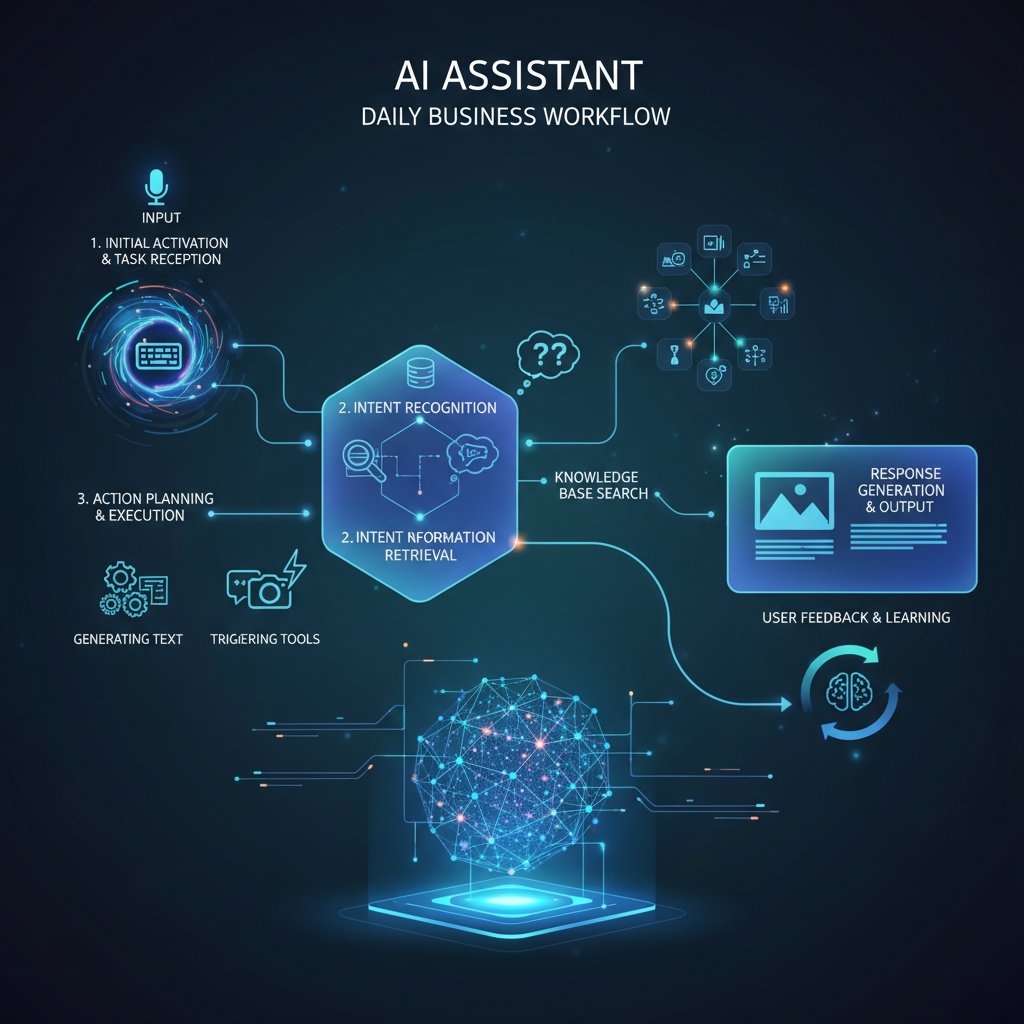
When rolling out a new tool, start with a pilot group, gather real-world feedback, and tweak workflows before company-wide adoption.
Avoiding common implementation mistakes
Even the best AI proposal tools can flop if you overlook key steps. Here’s how to avoid the most common pitfalls:
- Underestimating training needs: AI is only as good as the content you feed it. Invest in curating templates, win stories, and SME input.
- Skipping change management: Teams need buy-in and hands-on training—not just a login.
- Ignoring compliance: Don’t assume the AI will always catch every requirement. Manual review remains critical.
- Overlooking hidden costs: Watch for integration fees, data migration hassles, and the time required for ongoing content updates.
Red flags and overlooked steps:
- Hidden subscription fees or per-proposal charges
- Incomplete integration with existing tools
- Lack of access controls or audit logs
- Insufficient training or onboarding support
- Failure to assign clear owners for AI curation and oversight
Beyond proposals: AI’s ripple effect on modern work
AI for reports, pitches, and client communication
The skillset behind AI-powered proposal writing tools extends far beyond RFPs. Teams are now leveraging these assistants for board reports, sales presentations, and client communications—wherever consistency, speed, and compliance matter. According to ZDNet, 2024, AI adaptation for adjacent document types is accelerating.
Timeline of AI-powered writing assistant evolution (2015-2025):
- 2015: Early AI tools offer basic document automation for legal and HR teams.
- 2017: AI enters sales enablement, generating short-form proposals and emails.
- 2019: Natural language generation becomes mainstream, with customizable templates and tone adaptation.
- 2021: Integration with CRM and analytics platforms drives personalized, data-driven content.
- 2023: Hybrid human-AI workflows emerge as best practice.
- 2025: AI assistants expand into real-time collaboration, compliance, and multi-language support.
Each wave brings broader adoption and more nuanced collaboration between humans and machines.
The human-AI team: what the future really looks like
The rise of AI-powered assistants is quietly reshaping team structures. Routine, repetitive writing is giving way to roles focused on strategy, curation, and quality assurance. Teams are becoming “AI supervisors,” not just content creators.

Leaders recognize that human judgment, creativity, and relationship-building are now more valuable than ever. Successful organizations invest in upskilling and cross-training to thrive alongside their new digital teammates.
What skills will matter most in the next decade?
As AI automates more of the grunt work, here’s what will set you apart:
- Critical thinking: Knowing when to trust or question AI output—and how to spot subtle errors.
- Storytelling: Injecting brand voice and authentic narratives AI can’t replicate.
- Client empathy: Reading between the lines of client needs and customizing with nuance.
- Data literacy: Understanding analytics and feedback to continually refine AI output.
- Collaboration: Facilitating hybrid workflows between humans and AI-driven tools.
Top skills for thriving alongside AI-powered virtual assistants:
- Advanced editing and quality assurance
- Strategic content curation
- Change management and training
- Compliance and risk management
- Cross-functional communication
Expert insights: what the pros and skeptics are saying
Industry leaders: AI as a competitive edge
Business leaders who have embraced AI for proposal writing aren’t mincing words about its impact. Accelerated turnaround, higher win rates, and reduced burnout are consistently cited outcomes. A CEO in the SaaS sector noted that “teams using AI-powered virtual assistants submit twice as many proposals without sacrificing quality”—a sentiment echoed across multiple industries.
"If you’re not using AI, you’re already behind." — Morgan, CEO
The competitive advantage is clear: those who ignore automation risk getting left in the dust by faster, smarter rivals.
Skeptics: why some professionals are resisting
Not everyone is sold on the AI revolution. Some professionals—especially in heavily regulated fields—remain wary of automation’s limitations. Common gripes include a lack of transparency (“black box” output), fear of job loss, and skepticism over AI’s ability to capture complex, nuanced requirements. According to a recent survey by Loopio, 2024, 30% of proposal managers rate “trust in AI quality” as a top concern.

But as adoption rises and tools improve, even skeptics are warming up—especially as they see peers outspeeding and outwinning with AI in their arsenals.
Academic voices: separating hype from substance
Academic researchers are taking a nuanced view. Recent studies suggest that while AI boosts efficiency and consistency, it cannot fully replace expert review or creative strategy. The consensus: treat AI as a powerful assistant, not a replacement.
| Study | Findings | Implications |
|---|---|---|
| University of Cambridge, 2023 | AI boosts proposal productivity by 35% | Requires human review for quality |
| MIT Sloan, 2024 | AI reduces error rates in compliance docs | Human oversight remains essential |
| Stanford Business Review, 2024 | Mixed results on client satisfaction | Personalization is still a challenge |
Table 4: Summary of recent academic studies on AI in proposal writing.
Source: Cambridge University, 2023, MIT Sloan, 2024, Stanford Business Review, 2024.
Step-by-step: implementing your first AI-powered proposal workflow
Assessing your readiness
Not every team is ready to leap into AI-powered proposal writing. Start by evaluating your current pain points, tech infrastructure, and team openness to change.
Self-assessment checklist for proposal teams:
- Do we have a central library of past proposals and templates?
- Are proposal deadlines consistently stressful or missed?
- Is manual drafting eating up excessive hours?
- Are we able to track and measure proposal success?
- Do we have buy-in from leadership and key stakeholders?
- Is our data organized, accurate, and up to date?
- Are we prepared to train and supervise an AI assistant?
If you’re answering “no” more often than “yes,” invest in foundational improvements first.
Building and testing your process
A successful rollout is all about incremental wins. Here’s a proven process:
- Assemble your pilot team: Involve proposal managers, SMEs, and IT support.
- Select the right tool: Vet for integration, security, and feature fit.
- Onboard and train: Import templates, set up user access, and conduct training sessions.
- Launch a pilot project: Choose a low-risk proposal to test the workflow.
- Review and iterate: Gather feedback after each cycle, identify pain points, and tweak processes.
- Expand gradually: Scale up usage teamwide, monitoring KPIs and adjusting as needed.
Measuring impact and optimizing over time
Don’t “set and forget.” Establish clear metrics—turnaround time, error rates, win rates, and user satisfaction. Use dashboards to track progress, solicit regular feedback, and update content libraries continuously.
Continuous improvement—not blind automation—is the key to sustainable results.
The future of proposal writing: bold predictions for 2025 and beyond
AI advances you can’t afford to ignore
The acceleration of AI-powered virtual assistants isn’t slowing. Today’s cutting-edge features are rapidly becoming table stakes.
Upcoming AI features and trends:
- In-context learning and real-time updates from live data feeds
- Advanced compliance and risk flagging using dynamic rule sets
- Multilingual, culturally adaptive proposal generation
- Real-time collaboration between human and AI contributors
- Seamless integration with video and multimedia content for modern proposals
Staying current means regularly reviewing, retraining, and challenging your AI assistant’s capabilities.
Will AI replace proposal writers—or make them indispensable?
The honest answer? AI will transform, not erase, the role of proposal professionals. Routine writing is automated, but strategic leadership, creative storytelling, and client empathy are irreplaceable. The best practitioners are already evolving from writers to orchestrators—using AI to amplify their influence, not diminish it.

How to future-proof your team (and yourself)
Want to stay ahead? Lean into learning, adaptability, and hybrid collaboration. Here’s your action plan:
- Prioritize continuous training for both humans and AI tools.
- Regularly update content libraries with new wins and lessons learned.
- Foster a culture of experimentation and feedback.
- Stay informed on new AI features and best practices.
- Emphasize human strengths: creativity, judgment, and client empathy.
Sites like teammember.ai and reputable industry forums are excellent resources for staying sharp.
Conclusion
The rise of the AI-powered virtual assistant for proposal writing is no longer a distant promise—it’s the reality warping the competitive landscape across sectors. From slashing overtime and surfacing hidden insights to stumbling into ethical pitfalls and compliance traps, the truth is far more complex than any marketing hype suggests. As the data shows, teams that master the dance between human creativity and AI efficiency are rewriting the rules of engagement—winning more, burning out less, and shifting their focus from grunt work to game-changing strategy.
But this revolution isn’t plug-and-play. It demands careful tool selection, relentless training, and a willingness to rethink what it means to “write” a proposal in the first place. The risks are real, but so are the rewards for those who get it right. Stay nimble, stay skeptical, and remember: the future belongs to those who can harness both the power of the machine and the irreplaceable spark of human ingenuity.
Sources
References cited in this article
- Thalamus AI Blog(blogs.thalamushq.ai)
- Loopio RFP Trends 2025(loopio.com)
- ZDNet: AI-powered Virtual Assistants and the Future of Work(zdnet.com)
- Proposify: AI for Proposal Writing(proposify.com)
- Penna.app(penna.app)
- VisibleThread(visiblethread.com)
- Loopio(loopio.com)
- Outbooks(outbooks.com)
- Julie's Ocean Consultancy(juliesocean.com)
- Proposify(proposify.com)
- Gallium Solutions(galliumsolutions.co)
- Xait(xait.com)
- Forbes(forbes.com)
- DeepRFP(deeprfp.com)
- Trident Proposals(tridentproposals.com)
- Emphasis/Writing Skills(writing-skills.com)
- Wiley Law(wiley.law)
- Equator Studios(equatorstudios.com)
- OpenAsset(openasset.com)
- iQuasar(iquasar.com)
- Dimensionless(blogs.dimensionless.ai)
- Promega Connections(promegaconnections.com)
- US Bureau of Labor Statistics(bls.gov)
- Microsoft 365 Blog(techcommunity.microsoft.com)
- Gartner(hrgrapevine.com)
- Maestro Labs(maestrolabs.com)
- Bookipi(bookipi.com)
- LinkedIn(linkedin.com)
- IEEE Spectrum(spectrum.ieee.org)
- AllAboutAI(allaboutai.com)
- QorusDocs(qorusdocs.com)
- Ayanza(ayanza.com)
- Forbes(forbes.com)
- Artkai(artkai.io)
- 42Robots(42robots.ai)
- ProposalHelper(proposalhelper.com)
Focus on what matters. Let AI handle the rest.
We know the feeling — another day starts with 50 unread emails, Ads Manager begging for attention, CRM out of date, and meetings without follow-ups. That's why we built TeamMember.ai — an AI team member that takes over all the operational work at the computer. Has its own email address and SMS number. Manages your inbox, runs Meta Ads, updates CRM, processes meetings, monitors social media, generates morning briefings, and controls the browser. Built on OpenClaw — a leading open-source AI agent — with cross-session memory and secure-cloud architecture that keeps your data safe.
Get startedBe First to Try Your AI Team Member
Every week without automation is dozens of hours lost to operational work. Hours you'll never get back. Join the waitlist and get priority access.
Frequently Asked Questions
What are the main challenges that proposal teams face with tight deadlines?
Proposal teams face multiple simultaneous challenges including last-minute content requests, subject matter experts avoiding review meetings, version control issues, and extreme time pressure. According to the article, employees routinely work 30-50% overtime during major proposal pushes, leading to reduced team morale and retention problems.
Is AI-powered proposal writing just hype or does it provide real value?
The article positions AI-powered proposal assistance as both a lifeline and a disruptor, not simply hype. While acknowledging flashy marketing claims, it notes that AI can provide game-changing productivity improvements, though it also introduces new ethical challenges that require careful attention.
How many simultaneous proposals do large enterprises typically handle?
According to the article citing Loopio 2024, larger enterprises may juggle dozens of simultaneous proposals, while smaller teams often struggle with the demands of even a single pitch.
Who should care about AI-powered proposal writing tools?
The article identifies three key audiences: proposal managers facing burnout, startup founders seeking competitive advantage, and nonprofit leaders fighting for resources, though it notes the challenge extends across businesses and nonprofits competing for contracts and grants.
From the Archive
Explore more from AI Team Member

AI-Powered Virtual Assistants for Content: Gains Versus Costs
This article examines whether an AI-powered virtual assistant for content creation delivers competitive advantage or introduces creative and operational risk to editorial teams.

AI-Powered Virtual Assistant for Document Creation: Promise Vs Risk
Discover insights about AI-powered virtual assistant for document creation

How AI-Powered Virtual Assistants Are Reshaping Sales Automation
AI-powered virtual assistant for sales automation now handles lead generation, outreach, and scheduling. This article explains how the technology works and its impact on sales teams.

AI-Powered Virtual Assistants for Cloud Collaboration: Benefits and Risks
This article examines AI-powered virtual assistants for cloud collaboration, exploring both genuine productivity gains and substantial risks including privacy concerns and workflow disruption.

What AI Assistants for Project Managers Actually Deliver
AI-powered virtual assistants for project managers promise productivity gains and reduced burnout. This article examines what these tools actually deliver and where they fall short.

AI-Powered Virtual Assistant Tools: Power and Peril Explained
AI-powered virtual assistant tools now handle email, scheduling, and decision-making in modern offices. This article examines their productivity gains and the risks they introduce.