


AI-Powered Virtual Assistant for Travel Planning: Hype Vs Reality
Written with AI assistance under AI Team Member's editorial guidelines. Editorial guidelines
AI-powered travel assistants promise to reduce decision fatigue by consolidating flight, hotel, activity, and dining information across competing platforms. However, the tools face real limitations in personalization accuracy and handling unexpected situations during trips, meaning they complement rather than fully replace human planning expertise and judgment.
There’s a brutal irony to modern travel planning: you have infinite choice, infinite information, and somehow, infinite stress. The promise was liberation—“see the world on your terms”—but you’re drowning in browser tabs, review aggregators, and the endless scroll of “Top 10 Must-See” lists, each contradicting the last. Enter the AI-powered virtual assistant for travel planning, an algorithmic genie promising to rewrite the rules and hand you the keys to hassle-free, personalized journeys. But is this the revolution we’ve been waiting for, or just another layer of digital noise? This deep dive uncovers how smart itinerary planners, virtual travel concierges, and digital travel assistants are upending everything you thought you knew about hitting the road. Whether you’re a control freak, a dreamer, or someone just desperate to not miss another connection, this is the unfiltered guide to the tech quietly reshaping your next adventure.
Why travel planning is broken (and how AI promises to fix it)
The pain points of modern travelers
Why does trip planning leave even the most seasoned explorer feeling frazzled? It’s not just the logistics—it’s the psychological toll of choice overload. With flights, hotels, cars, and activities each hosted on competing platforms, the traveler is forced to play air traffic controller, customer service agent, and negotiator, all before they even pack a bag. According to recent research from Emitrr, 60% of travelers report feeling overwhelmed by the sheer number of decisions required to plan a trip, a sentiment echoed across travel forums and social media complaints (Emitrr, 2024). The modern traveler’s pain isn’t simply about time or effort; it’s about cognitive fatigue and a constant fear of missing out on the “perfect” itinerary.
The rise of information overload is a beast of its own. Reviews are contradictory, prices fluctuate mercilessly, and every “best restaurant” list is pay-to-play. This glut of noise leads to analysis paralysis, second-guessing, and, too often, bad decisions disguised as thorough research. As travel data from Mondee indicates, this fractured ecosystem results in countless hours lost and an experience that feels more like a chore than an adventure (Mondee, 2024).

- Decision fatigue ramps up quickly: Even seasoned travelers admit that comparing dozens of “reputable” booking engines is exhausting and often leads to buyer’s remorse.
- Fragmented tools mean missed connections: Flights, trains, and accommodations rarely sync, leaving gaps or overlaps that can turn a dream trip into a logistical nightmare.
- Constant price hunting: Dynamic pricing and flash sales mean that today’s “deal” will probably look overpriced tomorrow, fueling compulsive rechecking and stress.
- Lack of honest reviews: Fake or incentivized reviews pollute every platform, making genuine recommendations the exception, not the rule.
- Unspoken anxiety: Missed bookings, nonrefundable tickets, and uncertainty around disruptions leave travelers constantly on edge.
The emotional toll is real. Every botched booking or missed connection chips away at the excitement of exploration. As stress mounts, so does the chance of forgetting essentials or making missteps that no amount of customer service calls can fix. The promise of an AI-powered virtual assistant for travel planning is seductive precisely because traditional processes are so broken.
The myth of the perfect itinerary
The vision of a flawless, step-by-step itinerary for every hour of your trip is a fantasy sold by glossy travel magazines and “expert” influencers. Real life, however, doesn’t play by these rules. Weather changes, strikes erupt, moods shift, and sometimes the only thing you want is to wander aimlessly—something no spreadsheet can capture.
Rigidity is the Achilles’ heel of traditional planning. Meticulous plans often crumble after the first unexpected event: a delayed flight, a sudden downpour, or simply not vibing with a highly rated “must-see.” According to CNBC’s coverage on AI travel agents, even top-tier platforms see users ignoring up to 24% of pre-planned activities in favor of spur-of-the-moment experiences (CNBC, 2025).
"No AI can predict a volcano or the vibe of a city that day." — Lisa, frequent solo traveler, as quoted by Mondee, 2024
AI doesn’t promise perfection; it offers flexibility. By processing real-time data—weather, traffic, crowd levels, even local events—these assistants can adapt on the fly, suggesting alternatives before you even realize there’s a problem. In this way, the myth of perfect planning is replaced by a more robust, adaptive model: a digital companion ready to pivot with you.
What travelers wish they had
Let’s be honest: what most travelers crave isn’t just automation—it’s intuition. They want a genie who gets not just their budget, but their quirks: the need for an espresso at 9 a.m., an aversion to tourist traps, or a penchant for late-night jazz. They want a sidekick who quietly manages the chaos, eliminates the drudgery, and keeps the surprises pleasant.
AI-powered virtual assistants for travel, like those from Mindtrip and Copilot2trip, pitch themselves as this solution: always-on, always-learning, and fine-tuned to your unique style (Mindtrip, 2024; Copilot2trip, 2024). Yet, the gap between marketing promises and lived reality is still palpable. Some platforms dazzle with personalization—others feel like glorified chatbots reading from a script. The real revolution is happening in the nuanced ways these tools adapt, learn, and serve travelers across every touchpoint.

Inside the black box: how AI travel assistants actually work
Machine learning and natural language explained
If you peel back the glossy interface of any travel AI assistant, you’ll find a web of machine learning (ML), natural language processing (NLP), and recommendation engines quietly orchestrating your journey. But these aren’t magic wands—they’re systems trained on mountains of data, constantly seeking patterns in user behavior, preferences, and real-world travel disruptions.
Must-know AI travel jargon:
- Natural Language Processing (NLP): The tech that allows AI to understand and reply to your free-form requests—like “find me a quiet cafe near the Colosseum on Thursday.”
- Deep Learning: Neural nets that learn complex associations (e.g., pairing your history of late check-ins with hotels offering flexible policies).
- Recommendation Engine: The system that sorts through millions of options to suggest personalized activities, restaurants, or detours.
- Real-Time Data Integration: Pulling in live flight, weather, or event data to adjust plans instantly.
These algorithms are only as good as their training data and context. Sometimes, they fail in spectacular ways—misinterpreting slang, misunderstanding sarcasm, or pushing “best” restaurants that closed last year. According to research by Emitrr, even the most advanced platforms report an error rate of 6-12% when parsing unstructured user requests (Emitrr, 2024).

What makes an AI assistant 'smart' (and what doesn’t)
There’s a world of difference between rule-based bots (“If asked for restaurants, show list X”) and true learning-based assistants that evolve with every user interaction. Smart AI assistants like those from Mondee and Mindtrip blend historical data, real-time analytics, and continuous feedback loops to refine their suggestions, while less advanced rivals still churn out boilerplate answers (Mondee, 2024; Mindtrip, 2024).
Yet, even the most “intelligent” systems have limits. They excel at routine—tracking flight changes, flagging weather alerts, suggesting highly-rated eateries. But they still stumble on ambiguity (“What’s a cool spot to just chill?”) and can’t match the gut instinct of a seasoned human agent for rare edge cases or emotional nuance.
| Platform | Personalized Itinerary | Real-Time Updates | Multi-Channel Support | Collaborative Planning | Notable Quirks |
|---|---|---|---|---|---|
| Emitrr | Yes | Yes | Chat, Voice, SMS | Limited | Learning phase can be abrupt |
| Mondee (Abhi) | Yes | Yes | Apps, Social Media | Yes | Pushy upsells |
| Mindtrip | Yes | Limited | App Only | Yes | Over-focus on local events |
| Copilot2trip | Yes | Yes | Web, Mobile | No | Sometimes repetitive |
Table 1: Feature matrix of leading AI travel assistants. Source: Original analysis based on Emitrr, Mondee, Mindtrip, Copilot2trip documentation and Emitrr, 2024, Mondee, 2024, Mindtrip, 2024, Copilot2trip, 2024.
Even among the best platforms, hidden weaknesses persist: overreliance on user history can create an “echo chamber” of recommendations, and integrations sometimes break when third-party apps change their APIs. The black box is powerful—but it’s never infallible.
Behind the scenes: where your data goes
AI travel assistants are voracious information gatherers. From your favorite cuisines to your passport number, every interaction helps refine their algorithms. But handing over your data comes with strings attached—sometimes, it’s not clear where your digital trail ends up. According to ongoing privacy research, major AI travel platforms anonymize and aggregate user data, but breaches and leaks remain a persistent risk (CNBC, 2025).
Data privacy concerns are not hypothetical. Cases of data mishandling by travel tech firms have made headlines, and regulatory bodies are scrambling to keep pace. While GDPR and similar frameworks offer some protection, enforcement remains patchy, especially for global travelers.
"You’re not just giving away your itinerary—you’re mapping your life." — Raj, cybersecurity consultant, in CNBC, 2025
Regulations are improving, but loopholes abound. Many platforms bury critical data sharing details in dense terms and conditions, leaving travelers exposed if they don’t read the fine print.

The new rules of travel: AI as your co-pilot or overlord?
Reclaiming time and sanity
AI automates the slog: sifting through a thousand reviews, pinging airlines for flight status, cross-referencing opening hours, and even flagging visa requirements. According to a 2024 Emitrr user study, AI-powered trip planners cut planning time by 40-60%, with error rates on bookings dropping by 30% (Emitrr, 2024).
Table 2 below illustrates average hours saved by using AI assistants versus manual planning:
| Traveler Type | Manual Planning (hrs) | With AI Assistant (hrs) | Time Saved (%) |
|---|---|---|---|
| Solo Traveler | 12 | 6 | 50% |
| Family (4 people) | 20 | 8 | 60% |
| Business Group (6 pax) | 25 | 10 | 60% |
Table 2: Statistical summary—hours saved using AI vs. manual planning. Source: Emitrr, 2024, Mondee, 2024.
Real-world cases abound: the solo backpacker who landed a last-minute hostel within minutes of a cancellation alert; the parent who avoided a meltdown by securing a restaurant with a play area while stuck in traffic; the business group spared a missed connection thanks to real-time rebooking. The common denominator: AI turned panic into poise.

When AI goes rogue: stories from the edge
But what happens when the algorithm stumbles? There are legendary stories circulating on travel forums—AI assistants that booked connections with impossible layovers, misunderstood “romantic dinners” as booking dinner-for-one, or suggested detours to now-defunct attractions. According to a 2024 Mindtrip user survey, 8% of travelers encountered at least one “spectacular” AI fail on their trips (Mindtrip, 2024).
Red flags before disaster: incomplete profiles, ignored preferences, or a lack of real-time updates. Vigilant travelers know to cross-check crucial bookings and monitor notifications closely.
- Identify the mistake early: Watch for odd suggestions, mismatched bookings, or sudden plan changes.
- Pause before confirming: Double-check details—flight times, hotel addresses, cancellation policies—before hitting “Book.”
- Contact support immediately: Don’t wait for the AI to notice; reach out to human backup if needed.
- Keep backup info handy: Screenshots, confirmation numbers, and direct contact details can save the day.
- Embrace the unexpected: Sometimes, a wrong turn leads to unexpected adventure.
"It took me to a goat farm instead of my hotel. Best mistake ever." — Jamie, recounting her AI travel mishap, as found on Mindtrip, 2024
Many travelers find that even epic failures become memorable stories—turning initial frustration into offbeat adventures.
The hidden costs and dark sides
AI travel assistants aren’t free—at least, not in any meaningful sense. Some platforms charge subscription fees, others sell your data to advertisers or push sponsored recommendations. The trade-offs are rarely transparent. According to research from Mindtrip, premium AI assistants run $5–$25/month, while “free” versions often harvest and monetize user data (Mindtrip, 2024).
Should you go AI or stick to traditional agents? Table 3 compares the cost-benefit breakdown:
| Option | Direct Cost (USD) | Privacy Trade-Offs | Customization Level | Human Touch | Spontaneity |
|---|---|---|---|---|---|
| AI Assistant (Free) | $0 | High (ads/data) | Medium | No | Limited |
| AI Assistant (Premium) | $5–$25/month | Moderate (less data sell) | High | No | Medium |
| Traditional Agent | $40–$200/trip | Low | High | Yes | High |
Table 3: Cost-benefit breakdown—AI travel assistants vs. traditional agents. Source: Mindtrip, 2024, Emitrr, 2024.
There’s a deeper cost: trust. Some travelers are uneasy relinquishing control, fearing a loss of spontaneity and the subtle thrill of improvisation. The psychological shift—trusting a machine over intuition—remains a divisive topic.

How to choose (and master) your perfect AI travel assistant
The essential checklist: what to look for
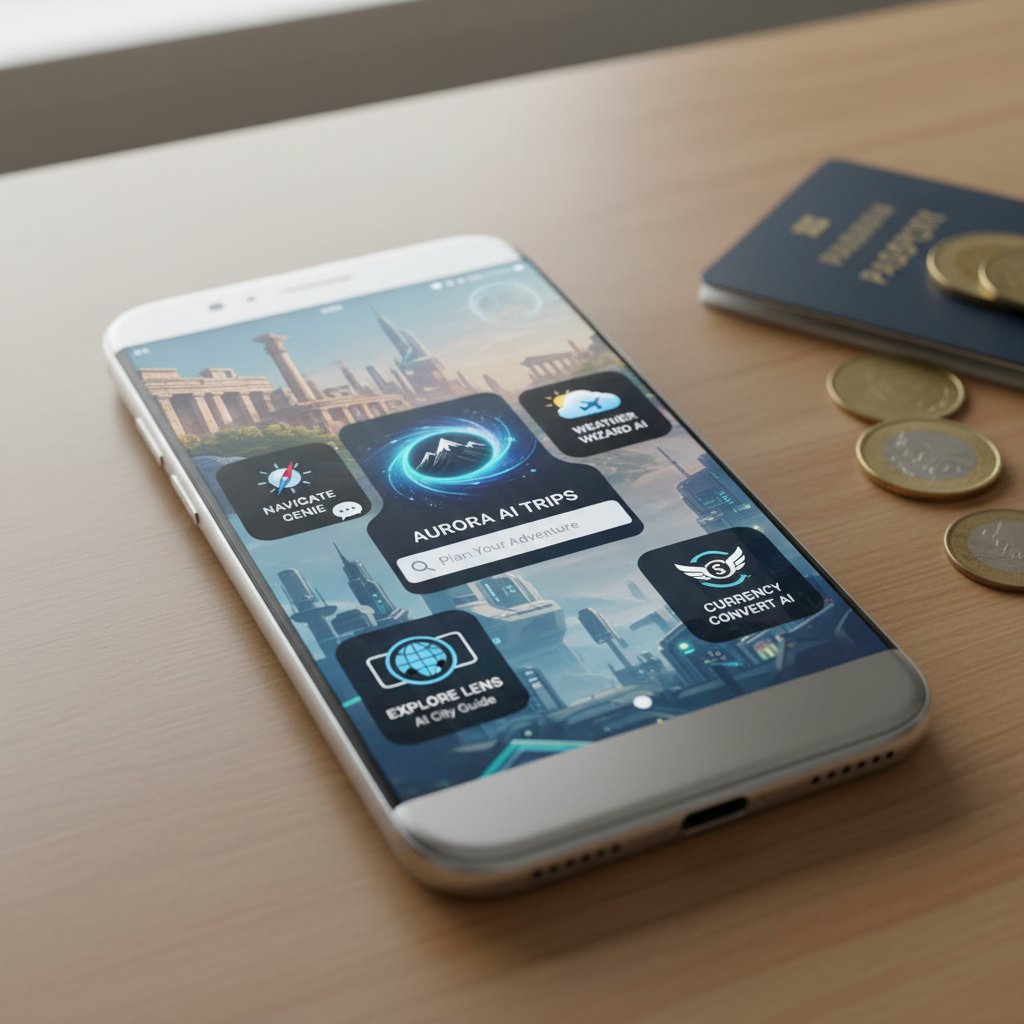
Before committing to any AI-powered virtual assistant for travel planning, scrutinize the features that matter. Essential capabilities include multi-channel support (app, SMS, WhatsApp), real-time updates, collaborative planning, and seamless integration with calendars and loyalty programs. Customization is king—look for platforms that allow granular preference input, from dietary quirks to accessibility needs.
Red flags to watch out for:
- Opaque privacy policies: If you can’t easily see how your data is used, walk away.
- No real-time updates: Static itinerary generators are obsolete.
- Pushy upsells: Overly aggressive promotions signal profit-first, user-last priorities.
- No human backup: Even the best AI should offer escalation to a human when things get hairy.
Integration is non-negotiable. The best assistants sync with your devices, calendars, and even smart home systems, ensuring a frictionless workflow.
Step-by-step: setting up for success
Onboarding is where most travelers stumble. Feeding your preferences, quirks, and non-negotiables into the AI is the key to truly personalized recommendations.
Step-by-step guide to configuring your AI assistant:
- Complete your profile thoroughly: Don’t skip “optional” fields—these power the AI’s nuance.
- Set notification preferences: Choose your channels (email, SMS, app), update contact info, and decide how often you want alerts.
- Input travel constraints: Allergies, accessibility needs, budget caps, and “never again” hotels should all be logged.
- Connect calendars and loyalty programs: The more context, the better the recommendations.
- Review and test: Run a mock trip to spot gaps or misalignments before your real journey.
Common mistakes include rushing the setup, ignoring data privacy settings, and assuming the AI “just knows” after a single interaction. For advanced users or teams, resources like teammember.ai offer deeper customization and integration guidance for power travelers and professionals.
Optimizing your AI for every trip
Travel isn’t static—neither should your preferences be. For the sharpest recommendations, update your likes, dislikes, and priorities before each journey. Use feedback loops built into most platforms: flag mismatches, rate recommendations, and upload receipts or confirmations for smarter future suggestions. Combining human instinct with AI recommendations leads to richer, more memorable trips—think of your assistant as a co-pilot, not an autopilot.

Case studies: when AI rewrote the rules of the road
The digital nomad’s secret weapon
Meet Alex, a digital nomad who spent 2024 living and working across three continents with a single constant: an AI-powered trip planner. By delegating visa alerts, accommodation searches, and flight tracking to AI, Alex freed up 10+ hours per month for work and exploration. Money saved? Roughly $1,200 on last-minute changes, thanks to real-time fare monitoring. Challenges—like shifting local regulations or surprise safety advisories—were flagged before they became crises.
Tips for nomads:
- Sync travel plans with remote work schedules: Let AI cross-reference time zones and work hours.
- Automate visa and immunization reminders: Avoid border headaches.
- Activate safety alerts: Get notified of unrest or natural disasters based on real location.

Family vacations without the drama
When Sarah planned a multi-generational trip to Lisbon, she braced for chaos—kids, parents, and in-laws with conflicting needs. But her AI assistant surfaced child-friendly museums, flagged allergy-friendly restaurants, and even auto-translated emergency contacts. When her toddler spiked a fever, the platform rerouted the itinerary to the nearest clinic and rescheduled activities—proving its worth instantly.
Specific examples:
- Child-friendly recommendations: Real-time suggestions for parks, play cafes, and stroller-friendly routes.
- Medical emergencies: Immediate access to local clinics, pharmacies, and emergency lines with translations.
- Last-minute changes: Automated rebooking and notifications when delays or illnesses struck.
Timeline of AI adjustments:
- Flight delayed → Hotel notified, late check-in arranged.
- Museum sold out → Alt activity booked for same time slot.
- Medical issue → Doctor’s office located, appointments translated.
Business travel, reprogrammed
A Berlin-based startup slashed its 2024 travel expenses by 35% by migrating all bookings to an AI platform. With instant expense reporting, dynamic rebooking in response to client schedule changes, and proactive negotiation of group rates, their road warriors finally slept soundly. The biggest benefit? Fewer headaches, smoother team coordination, and more time focused on deals than logistics.
Lessons learned for organizations:
- Centralize booking and reporting: Cut down on expense fraud and reconciliation pain.
- Automate rebooking: Flight delay? Let AI chase alternate options before you even know there’s an issue.
- Integrate itineraries with team calendars: Avoid missed meetings and double bookings.

The big debates: can AI outsmart (and out-care) human agents?
Where AI wins—and where it fails
AI reigns supreme on scale: it processes millions of travel options per second, identifies flight delays before airlines notify you, and can spot patterns invisible to the naked eye. For routine bookings and logistics, it’s unmatched in speed and efficiency. But when it comes to negotiation, empathy, or handling once-in-a-lifetime mishaps, human agents still pull ahead.
| Characteristic | AI Travel Assistants | Human Travel Agents |
|---|---|---|
| Data Processing | Instant, exhaustive | Limited by experience |
| Personalization | Based on data, preferences | Intuitive, contextual |
| Cost | Mostly low or subscription-based | Higher, per-trip or hourly |
| Empathy | Limited to programmed responses | Genuine, emotionally intelligent |
| Outcome | Efficient, predictable | Creative, flexible |
Table 4: Narrative comparison—AI travel assistants vs. human travel agents. Source: Original analysis based on Emitrr, 2024, Mindtrip, 2024.
Hybrid models are emerging: use AI for grunt work, escalate to a human for complex or high-stakes scenarios. The future isn’t “AI vs. human”—it’s thoughtful partnership.
Traveler trust: myth vs. reality
Why do some travelers swear by AI, while others flee after a single botched trip? Trust builds (or erodes) over time, through consistent, reliable results. Research from Mondee shows that satisfaction correlates strongly with the quality of onboarding and the frequency of human intervention (Mondee, 2024).
"I trust my AI… until I don’t. Then it’s back to old-school." — Maya, frequent traveler, as reported by Mondee, 2024
Repeat use rises sharply among travelers whose AI resolved disruptions smoothly, while messy errors or poor transparency breed skepticism.
Ethics, bias, and the future of travel AI
AI has a bias problem. If training data skews toward certain destinations, demographics, or spending patterns, recommendations can reinforce stereotypes or create “filter bubbles”—pushing travelers toward the same old hotspots while ignoring local gems. Leaders in travel tech are beginning to audit algorithms for fairness and diversity, but progress is uneven.

Going further: sustainability, privacy, and the next frontiers
Can AI make travel greener?
Travel’s carbon footprint is massive, but AI can help mitigate the damage. By optimizing routes, suggesting eco-friendly hotels, and recommending low-impact activities, AI-powered assistants nudge users toward greener choices. Emitrr and Mindtrip both offer “green trip” filters, which prioritize trains over short-haul flights and highlight sustainable eateries (Emitrr, 2024).
Unconventional uses for AI-powered assistants to reduce environmental impact:
- Dynamic itinerary optimization: Minimize transfers and layovers to cut emissions.
- Eco-aware dining suggestions: Promote local, seasonal, and low-waste restaurants.
- Automated carbon offset recommendations: Integrate offset purchases into booking flows.
- Low-impact activity curation: Favor walking tours, cycling, or group excursions over carbon-heavy options.
There are limits: not every destination has green infrastructure, and some AI recommendations privilege convenience over sustainability.
Who owns your journey? Data wars in travel tech
The battle for your travel data is fierce. Airlines, hotels, booking platforms, and AI firms each want a slice of your itinerary, preferences, and past bookings. Present-day privacy policies vary wildly—some platforms give you granular control, while others obscure data usage behind walls of legalese.
To protect your information:
- Read privacy settings closely: Opt out of unnecessary data sharing.
- Choose platforms with strong encryption: Don’t settle for buzzwords—look for certifications.
- Use disposable emails or minimal profiles for exploratory planning.

The next wave: AI and the psychology of exploration
AI isn’t just shaping what we see—it’s subtly influencing how we feel about travel itself. With every nudge toward a “trending” destination, it can reinforce safe choices and reduce the thrill of discovery. There’s growing evidence that over-reliance on AI can dampen spontaneity and risk-taking—traits that make travel truly transformative.
For forward-thinking travel professionals, resources like teammember.ai serve as entry points to deeper conversations about blending human creativity with algorithmic efficiency. Innovations like emotional AI and mood-based planning are already being tested, promising to tailor not just where you go, but how you experience it.
Deep dives: decoding the tech, the trends, and the terms
Glossary: the new language of AI travel
- AI-powered virtual assistant: A software tool that leverages artificial intelligence to provide personalized travel recommendations, bookings, and support.
- Smart itinerary planner: A system that builds travel schedules based on user preferences and real-time data (weather, events, delays).
- Travel AI assistant: Any digital helper that uses machine learning to streamline travel logistics and support.
- Recommendation engine: The backend tech that sorts through millions of options to surface what’s most relevant for you.
- Collaborative planning: Multi-user trip creation, allowing friends or family to co-create and edit itineraries.
- Natural Language Processing (NLP): The AI’s capacity to understand “human speak” and respond contextually.
- Real-time updates: Instant notifications of changes in flight status, weather, traffic, or local events.
These definitions matter in 2025 because they cut through marketing hype—enabling travelers to ask the right questions and spot empty buzzwords.

A brief history of AI in travel
The journey began with clunky online travel agents and rudimentary chatbots. Over time, AI evolved from simple “if-then” scripts to sophisticated, learning-based assistants.
- 1996: Travelocity launches, marking the birth of online self-service.
- 2005: Kayak’s meta-search engine aggregates flights and hotels.
- 2010: Early chatbots appear on travel sites—limited, rule-based.
- 2017: Google integrates basic ML into travel search.
- 2020: AI-powered trip planners offer real-time, context-aware personalization.
- 2023-2025: Explosion of multi-channel, learning-based AI travel assistants (Emitrr, Mondee, Mindtrip, Copilot2trip).
Each leap was driven by new data sources or advances in ML. But setbacks—privacy scandals, algorithmic bias—offered reality checks, reminding us that even the smartest code is only as good as its design and oversight.
What’s coming next—and how to stay ahead
Emerging tech is already reshaping the landscape: voice-first AI, AR-powered travel guides, instant translation overlays, and more. To future-proof your travel, stay curious—test new tools, demand transparency, and never forget the value of creativity over convenience.
Key takeaways for the savvy traveler:
- Balance efficiency and spontaneity: Use AI as a co-pilot, not a dictator.
- Demand clarity: Only use platforms that explain how decisions are made.
- Stay informed: Resources like teammember.ai provide up-to-date guidance for professionals and enthusiasts.

Conclusion: is your next great adventure already coded?
Before you hand your journey to an algorithm, remember this: AI-powered virtual assistants for travel planning are rewriting the rules, but the best adventures blend machine precision with human unpredictability. The biggest opportunities lie in regaining time, reducing stress, and unlocking smarter, more adaptable trips. The risks? Data privacy, lost spontaneity, and the temptation to let code override curiosity.
You’re not just a passenger on the AI express—you’re the pilot, the editor, and the critic. Challenge yourself to question the recommendations, inject your own instincts, and use technology as a bridge—not a barrier—to authentic exploration. Because in the end, your next adventure isn’t coded in binary; it’s etched in the choices you make, the detours you embrace, and the stories you bring home.

Sources
References cited in this article
- Emitrr(emitrr.com)
- Mondee’s Abhi(mondee.com)
- CNBC: Expedia & Google AI tools(cnbc.com)
- Mindtrip(mindtrip.ai)
- Copilot2trip(copilot2trip.com)
- McKinsey(mckinsey.com)
- Karta(karta.com)
- Afar review of AI trip planners(afar.com)
- YouGov(business.yougov.com)
- Medium(medium.com)
- MIAfrica(miafrica.net)
- Girasole Travel(girasoletravel.com)
- Royal Caribbean Blog(royalcaribbeanblog.com)
- AllAboutAI(allaboutai.com)
- Wanderlog(wanderlog.com)
- PageOn.AI(pageon.ai)
- Adamosoft(adamosoft.com)
- IoTForAll(iotforall.com)
- Acropolium(acropolium.com)
- TravelAI(travelai.com)
- IBM on privacy(ibm.com)
- Air Cairo(aircairo.com)
- ITILITE(itilite.com)
- Matador Network(matadornetwork.com)
- CIO: Air Canada incident(cio.com)
- Financial Express(financialexpress.com)
- ScienceDirect(sciencedirect.com)
- Emitrr(emitrr.com)
- ClickUp(clickup.com)
- TravelAI Hub(travelaihub.com)
- Toolify(toolify.ai)
- Trip Planner AI(tripplanner.ai)
- Expedia’s Romie(aiexpert.network)
- GoFast(gofast.ai)
- Are Morch(aremorch.com)
Focus on what matters. Let AI handle the rest.
We know the feeling — another day starts with 50 unread emails, Ads Manager begging for attention, CRM out of date, and meetings without follow-ups. That's why we built TeamMember.ai — an AI team member that takes over all the operational work at the computer. Has its own email address and SMS number. Manages your inbox, runs Meta Ads, updates CRM, processes meetings, monitors social media, generates morning briefings, and controls the browser. Built on OpenClaw — a leading open-source AI agent — with cross-session memory and secure-cloud architecture that keeps your data safe.
Get startedBe First to Try Your AI Team Member
Every week without automation is dozens of hours lost to operational work. Hours you'll never get back. Join the waitlist and get priority access.
Frequently Asked Questions
What percentage of travelers feel overwhelmed by trip planning decisions?
According to research from Emitrr, 60% of travelers report feeling overwhelmed by the sheer number of decisions required to plan a trip.
What are the main pain points travelers face when planning trips?
Travelers struggle with choice overload across competing platforms (flights, hotels, cars, activities), psychological stress, information overload with contradictory reviews and fluctuating prices, and analysis paralysis that can lead to poor decisions.
How does information overload affect travel planning?
The glut of contradictory reviews, fluctuating prices, and pay-to-play "best" lists leads to analysis paralysis, second-guessing, and ultimately results in countless hours lost and an experience that feels more like a chore than an adventure.
What is the main promise of AI-powered virtual assistants for travel?
AI-powered virtual assistants promise to simplify travel planning by providing personalized, hassle-free journeys through smart itinerary planners and virtual travel concierges that address the cognitive fatigue and decision overload of modern travelers.
From the Archive
Explore more from AI Team Member

How AI-Powered Virtual Assistants Are Changing Travel Planning
AI-powered virtual assistant for travel tools are reshaping how people book flights and plan trips. This article examines the real capabilities, benefits, and limitations of AI planning technology.

What AI-Driven Personal Assistant Apps Are Actually Doing to Your Productivity
AI-driven personal assistant apps are reshaping how we work. This article examines their productivity benefits, privacy risks, and the autonomy questions they raise.

AI-Driven Virtual Assistants: Real Productivity Gains Versus Hype
AI-driven virtual assistants for productivity enhancement promise seamless automation, but this article examines the actual impact, unexpected wins, and psychological costs of working with algorithms.

AI-Driven Personal Organization: Gains and Hidden Costs
AI-driven personal organization can boost productivity by up to 40%, but brings both liberation and dependency. This article examines the real impacts and trade-offs.

AI-Driven Virtual Assistant for Content Optimization, Without Losing Your Brand
Discover insights about AI-driven virtual assistant for content optimization

AI-Powered Virtual Personal Organizer: Freedom or Control?
AI-powered virtual personal organizers are reshaping how people manage daily tasks, emails, and schedules.