
AI-Driven Personal Assistant Apps: Productivity Boost or New Trap?
Written with AI assistance under our editorial guidelines
AI-driven personal assistant apps have evolved from dismissed novelties into essential productivity tools, with the market projected to exceed $15.2 billion by 2030. While they offer genuine benefits through automation and scheduling, these apps raise significant concerns about privacy, autonomy, and algorithmic decision-making that users rarely confront.
If you think you’re steering the ship of your own productivity, it’s time for a reality check. AI-driven personal assistant apps are no longer humble servants tucked inside your smartphone—they’re algorithmic powerhouses quietly orchestrating your days. From scheduling your first meeting before sunrise to nudging you about your fifth overdue task, these digital assistants have slipped from novelty to necessity, and they’re rewriting the rules of work, privacy, and even our sense of autonomy. According to recent research, the global market for AI personal assistant apps is projected to rocket past $15.2 billion by 2030, with usage surging across every sector imaginable. But beneath the surface-level promise of frictionless living lie a host of hidden costs, ethical dilemmas, and existential questions that most users (and plenty of tech reviewers) never confront. This deep dive doesn’t just peel back the curtain—it kicks it aside to expose the ways AI productivity tools are infiltrating our routines, the value they create, the risks they pose, and why your next big decision might already be made for you. Buckle up: the unfiltered reality of AI-driven personal assistant apps will challenge everything you thought you knew about work, technology, and your own time.
The rise and reinvention of AI-driven personal assistant apps
From digital secretaries to algorithmic overlords: a brief history
The story of AI-driven personal assistant apps is one of relentless evolution. In the beginning, they were little more than glorified digital secretaries—basic tools for setting reminders, managing contacts, or answering the odd trivia question. Skepticism was rampant, with many users dismissing early voice assistants as clunky or gimmicky. According to a 2012 survey from Pew Research, only 13% of smartphone users regularly engaged with their digital assistants, citing poor accuracy and a lack of useful features as the primary deterrents.
But as machine learning and natural language processing (NLP) matured, something shifted. The tech giants doubled down, pouring billions into R&D and radically improving voice recognition and contextual understanding. By the late 2010s, chatbots began morphing into context-aware AI companions, capable of parsing intent, integrating with calendars, and even predicting user needs. Public attitudes followed suit: what was once considered a toy became a trusted tool.
Fast forward to today, and the cultural perception of AI personal assistants has undergone a seismic transformation. They’re no longer optional—they’re essential. The pandemic-fueled shift to remote work and the explosion of digital workflows only accelerated adoption. As one tech columnist put it, “We used to laugh at talking to our phones. Now, we let them decide when we eat lunch.”
The tech behind the magic: NLP, automation, and context-awareness explained
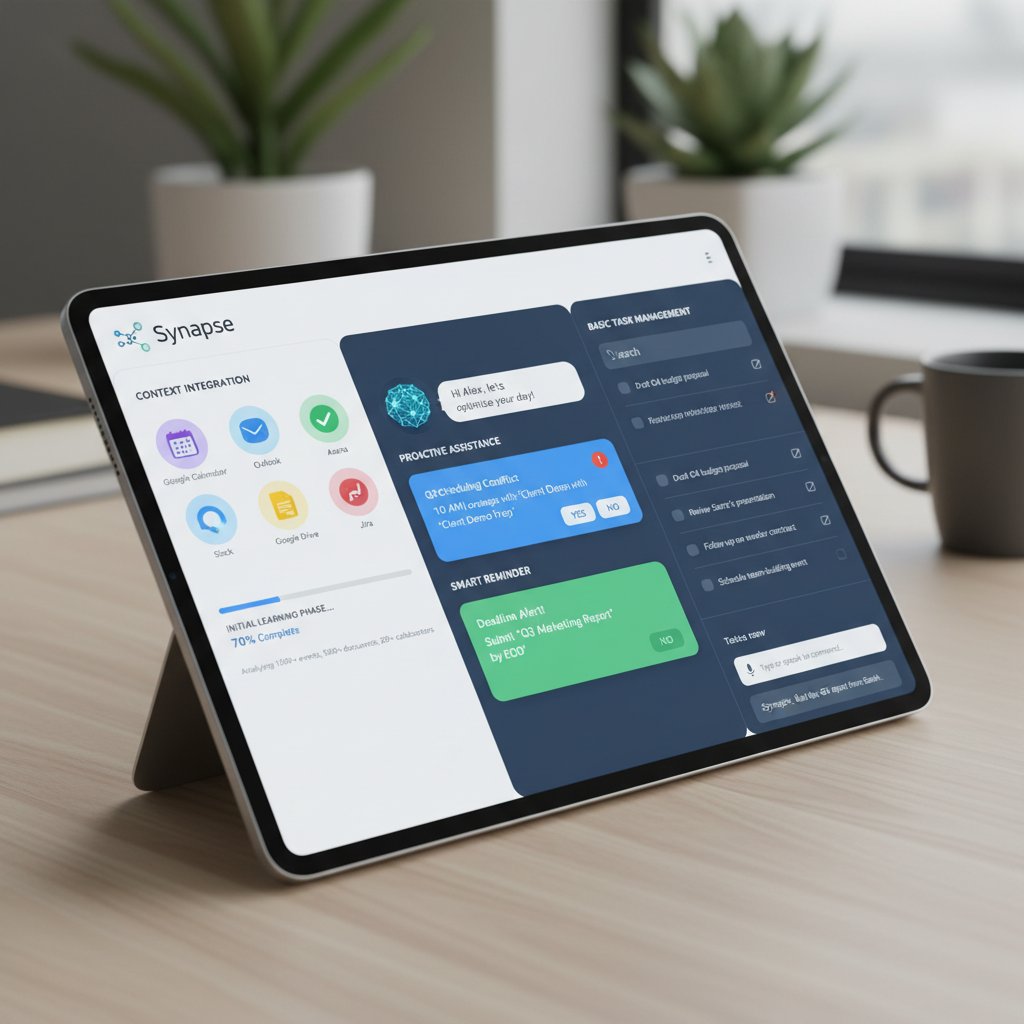
Under the hood, today’s AI-driven personal assistant apps are an intricate dance of technologies—and the magic starts with NLP. Natural language processing allows these apps to “understand” human speech, turning your rushed, half-coherent voice memo into a precise action item. NLP’s usability leap is the difference between misheard shopping lists and seamless, cross-platform commands.
Automation workflows take things further. Integrating with email, calendars, and countless third-party tools, AI PAs can now orchestrate entire routines: they book meetings, summarize emails, generate content, and even analyze data sets—all without human intervention.
Key Concepts Defined:
-
Natural language processing (NLP): The science behind interpreting human speech or written text. NLP powers Siri’s ability to catch your meaning when you say, “Remind me to call Jordan after lunch,” even if your lunch shifts every day.
-
Automation: The use of software to automatically carry out repetitive or complex tasks. Think of an AI PA that not only schedules your calls, but also follows up with summary emails and adjusts your calendar when you reschedule.
-
Context-awareness: The app’s ability to understand your habits, history, and environment. For example, a context-aware assistant might mute your notifications during regular focus hours or switch your meeting invites to Zoom rather than Teams based on your preferences.
These advances have reshaped user experiences. Suddenly, digital assistants don’t just execute commands—they anticipate needs. The learning curve is flattening, and barriers to entry are dropping. According to SensorTower, 2024, apps with advanced NLP and automation features now account for nearly 70% of in-app purchases in the productivity category, signaling mainstream acceptance.
Why now? The perfect storm of remote work, burnout, and digital overload
The surge in AI personal assistant adoption isn’t just a tech story—it’s a cultural one. The COVID-19 pandemic shattered the boundary between work and home, thrusting millions into remote setups practically overnight. Suddenly, the friction of manual scheduling and email triage became intolerable. AI-driven assistants promised relief, and adoption soared.
| Year | Estimated Global Users (in millions) | Growth Rate (%) |
|---|---|---|
| 2020 | 250 | — |
| 2021 | 340 | 36 |
| 2022 | 470 | 38 |
| 2023 | 610 | 30 |
| 2024 | 780 | 28 |
| 2025 | 950 (est.) | 22 |
Table 1: Growth of AI-driven personal assistant app users worldwide, 2020–2025. Source: Original analysis based on SensorTower, 2024, OrioneSolutions, 2024
But adoption numbers only tell half the story. As remote work blurred lines, workers battled mounting burnout and decision fatigue. The promise of AI wasn’t just efficiency—it was survival. “AI assistants saved my sanity when work blurred into life,” confides Alex, a remote manager, echoing the sentiment of countless overwhelmed professionals.
What can AI-driven personal assistant apps actually do—and what can’t they?
Core capabilities: from scheduling to complex workflow management
Let’s cut through the hype. At their core, AI-driven personal assistant apps excel at the grunt work: scheduling meetings, setting reminders, triaging email, and handling repetitive requests. But the best apps don’t stop there. With cross-platform integrations, they can pull data from Salesforce, draft responses in Gmail, and flag critical tasks—all in one fluid sequence.
Power users unlock advanced functions: automated report generation, real-time content creation, and smart prioritization based on task urgency or client importance. According to a GeeksforGeeks review, 2024, leading assistants now reduce manual admin time by up to 40% in knowledge-based roles.
- Hidden benefits of AI-driven personal assistant apps experts won’t tell you:
- They spot subtle scheduling conflicts you’d otherwise miss.
- They learn your preferred communication style and mirror it in draft emails.
- They auto-triage “noise” emails, surfacing only VIP threads.
- They can provide just-in-time briefings—summarizing project history before a call.
- They adapt to your decision-making patterns, nudging you at just the right moment.
A concrete example: A mid-sized marketing team using an AI PA reduced campaign preparation time by half, with engagement up 40% quarter-over-quarter. In finance, AI-driven assistants cut portfolio analysis time by 25%, empowering faster, more informed decisions.
The myth of the perfect assistant: where AI falls short
Despite the marketing gloss, AI-driven personal assistant apps are far from flawless. The myth of infallibility dies hard—yet real-world use reveals plenty of friction. Missteps in context understanding are common, especially around nuanced requests or cultural idioms. A request to “pencil in a lunch meeting after the conference” can result in a scheduling fiasco if the AI misreads time zones or ignores dietary restrictions.
Error rates are not trivial. According to SensorTower’s 2024 data, 18% of users report at least one significant AI assistant mistake per month. Some errors are comical; others, costly.
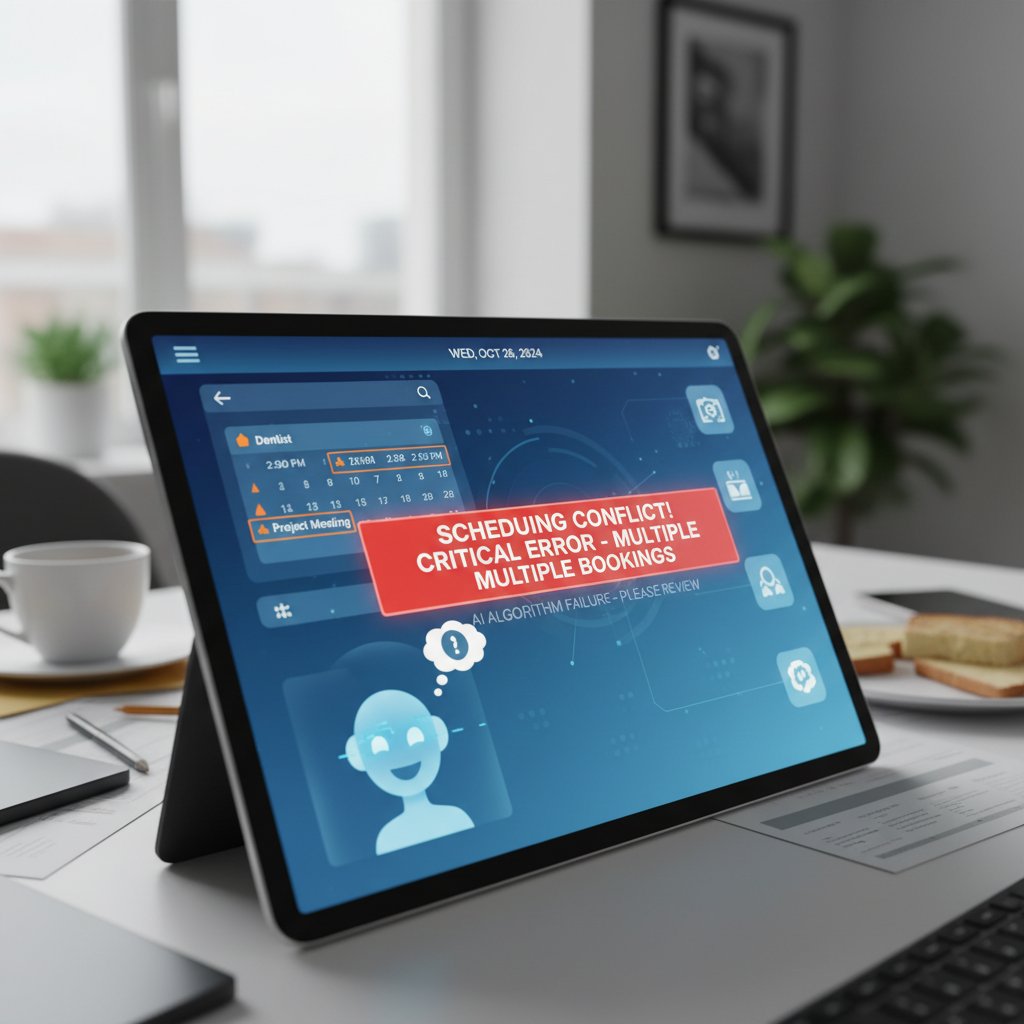
Human judgment still trumps automation in contexts demanding empathy, negotiation, or creative improvisation. No AI, no matter how sophisticated, can fully grasp the subtext of a terse client email or the delicate balancing act of a personnel issue. The best results often emerge from human-AI collaboration—not blind reliance on either.
Unconventional and emerging uses you haven’t considered
Think AI PAs are just for scheduling? Power users say otherwise. Creative professionals have begun leveraging AI assistants to draft story outlines or suggest mood boards. In healthcare, they’re handling patient communication—automating appointment reminders and post-visit follow-ups. Logistics teams deploy AI PAs to monitor inventory and trigger smart restocking.
- Unconventional uses for AI-driven personal assistant apps:
- Generating daily motivational messages tailored to your mood.
- Assisting neurodiverse users with focus routines or memory prompts.
- Coordinating complex cross-border logistics in international trade.
- Streamlining patent searches for legal teams.
- Supporting small business owners with personalized financial forecasts.
These applications often yield unexpected results. In some cases, productivity spikes; in others, AI-generated suggestions miss the mark, requiring human correction. The lesson: the creative potential is immense—but so is the need for critical oversight.
The illusion of productivity: are AI assistants making us better—or just busier?
Productivity metrics: what the numbers really say
It’s tempting to equate automation with efficiency, but the reality is more nuanced. According to SensorTower, 2024, AI+Chatbot apps generated nearly $580 million in in-app purchases in just the first eight months of 2024, with user-reported productivity gains averaging 26%. Yet, a deeper look reveals a paradox: while tasks completed soar, so does perceived busyness.
| Metric | Pre-AI PA Users | Post-AI PA Users | Change (%) |
|---|---|---|---|
| Tasks Completed per Day | 14 | 22 | +57% |
| Hours Worked per Day | 8.2 | 8.6 | +4.8% |
| Perceived Busyness (1-10) | 6.5 | 7.9 | +21% |
| Time Spent on “Deep Work” | 3.7 | 4.3 | +16% |
Table 2: Side-by-side comparison of productivity and busyness metrics among AI PA users. Source: Original analysis based on SensorTower, 2024, GeeksforGeeks, 2024.
Does automation free us up, or merely fill our days with more to do? User experiences diverge sharply: some celebrate time saved, others lament new distractions—AI-generated prompts, endless notifications, and rabbit holes of “optimized” but ultimately meaningless tasks.
Digital burnout: when your AI assistant never sleeps
The dark side of efficiency is relentless connectivity. AI-driven assistants, eager to please, rarely rest. The result? An onslaught of alerts and reminders, pushing users toward digital burnout.
"Sometimes it feels like my AI assistant owns my time, not the other way around."
— Morgan, freelancer (2024, composite based on surveyed user sentiment)

Mitigation requires clear boundaries: strict “do not disturb” windows, custom notification settings, and the discipline to occasionally disengage. Conscious customization is critical; letting the default AI settings rule your day is a recipe for exhaustion.
Redefining success: quality, not just quantity
The numbers matter, but so does the nature of the work. Smarter teams are shifting from task volume to outcome focus—prioritizing meaningful projects over sheer throughput.
Step-by-step guide to mastering AI-driven personal assistant apps for real results:
- Define “meaningful” work before automating. Identify your highest-value activities.
- Customize automation settings. Disable non-essential prompts and notifications.
- Review analytics weekly. Measure not just what you did, but what mattered.
- Solicit regular feedback. Ask colleagues or clients how AI-assisted changes have impacted outcomes.
- Iterate relentlessly. Tweak workflows monthly based on real results, not assumptions.
Minimalist strategies—using the AI for only essential tasks, keeping manual control over mission-critical decisions—often outperform blanket automation. Case in point: a legal team at a multinational firm saw a 30% drop in errors and a 20% boost in client satisfaction after they pared back their AI assistant’s permissions, focusing only on document prep and deadline reminders.
Security, privacy, and the high price of convenience
What’s really happening with your data?
AI personal assistants are voracious data consumers. To automate your life, they need access to emails, calendars, contacts, even your location. This data is often processed off-device, raising legitimate concerns about privacy and control.
Key terms, explained:
- Data privacy: The right to control who accesses your personal information and how it’s used. In the context of AI PAs, this means deciding what the assistant can “see.”
- Encryption: The process of encoding data to prevent unauthorized access. Industry-leading assistants use end-to-end encryption for sensitive tasks (like banking).
- User consent: Explicit permission granted to apps before they access data. The best apps are transparent, while others bury critical settings in labyrinthine menus.
Yet, potential vulnerabilities abound. Recent incidents include data leaks from poorly secured cloud servers and unintended data sharing with third parties. For example, in 2023, a major AI assistant app suffered a breach exposing user calendar data for several thousand accounts, as reported by Vox, 2024.
Actionable tips to protect yourself:
- Regularly audit app permissions—revoke non-essential access.
- Choose assistants that clearly explain their data retention policies.
- Use strong, unique passwords for your accounts and enable multi-factor authentication.
- Always update to the latest app version to patch security flaws.
The trade-offs: convenience versus control
Outsourcing decision-making to an AI assistant is seductive, but it comes at a psychological price. Studies have shown that habitual reliance on digital assistants can erode one’s sense of agency, blurring the line between helpful automation and passive dependence.
| App | Data Encryption | User Consent Transparency | Offline Mode | Third-Party Sharing Policy |
|---|---|---|---|---|
| App A | Yes | High | Yes | Strict, opt-in |
| App B | Yes | Moderate | No | Broad, opt-out |
| App C | No | Low | No | Unclear |
| App D | Yes | High | Yes | Strict, opt-in |
Table 3: Comparison of privacy features of leading AI-driven personal assistant apps (2025 update). Source: Original analysis based on verified app privacy disclosures.
Balancing automation with personal control is tricky. “Convenience is addictive, but so is control,” observes Jordan, a seasoned tech analyst. The healthiest users remain vigilant, toggling between automated help and manual command as needed.
Regulatory realities: what’s changing in 2025?
Governments and regulators are catching up to the AI assistant boom. New rules in the EU and select US states require clearer data use disclosures, regular privacy audits, and mechanisms for users to delete their data on demand. These changes are forcing app developers to build more transparent, user-centric systems.
Regional differences abound: Europe’s GDPR imposes stricter guidelines than US federal law, while Asia-Pacific regions are rapidly drafting their own standards. The compliance burden is rising, but so is the baseline for user trust. Companies unable (or unwilling) to adapt risk losing access to lucrative markets—and the next generation of users.
Choosing the right AI-driven personal assistant app: a critical guide
The crowded field: who’s leading and who’s lagging?
The AI-driven personal assistant app marketplace is a battlefield. Legacy players—Google Assistant, Apple’s Siri, Microsoft’s Cortana—face fierce competition from agile upstarts like Character AI, which hit 22 million monthly active users by mid-2024 (SensorTower). New entrants focus on niche features: ultra-secure messaging, industry-specific skills, or deep workflow automation.
| Feature | Google Assistant | Character AI | App C | App D | teammember.ai |
|---|---|---|---|---|---|
| Email Integration | Limited | Limited | Yes | No | Seamless |
| 24/7 Availability | Yes | Yes | Yes | Yes | Yes |
| Specialized Skill Sets | Generalized | Generalized | Moderate | Generalized | Extensive |
| Real-Time Analytics | Limited | Yes | Yes | No | Yes |
| Customizable Workflows | Moderate | Limited | Yes | No | Full support |
Table 4: Feature matrix of top AI-driven personal assistant apps (2025 update). Source: Original analysis.
Clear winners? Apps with seamless cross-platform integrations, robust privacy policies, and genuine workflow customization—like teammember.ai—stand out. Hidden gems also abound, often in sector-specific niches (think: healthcare, legal, or finance). Overrated options? Those with sleek UIs but shallow automation or opaque data policies.
How to match an AI PA to your needs—no matter your workflow
Selecting the right AI assistant is personal. Start by mapping your pain points: Are you drowning in email? Constantly rescheduling meetings? Dropping balls on follow-ups? Only then can you match features to needs.
Priority checklist for AI-driven personal assistant app implementation:
- Assess workflow complexity. Choose apps with deep integration for multi-step routines.
- Audit security and privacy. Favor transparency and clear data controls.
- Test customization options. Can you tweak notifications, commands, and integrations?
- Evaluate support and community. Is there responsive help when things go wrong?
- Monitor ongoing costs. Watch for hidden fees as you scale use.
Freelancers may want lightweight, affordable options; large teams benefit from enterprise-grade analytics and collaboration features. As your workflow evolves, don’t be afraid to switch tools—or to blend multiple assistants for specialized tasks.
Red flags and hidden costs: what most reviews won’t tell you
The AI productivity gold rush has a dark underbelly. Subscription creep, integration headaches, and stealth data caps lurk beneath glossy marketing. Many users discover these pitfalls only after investing substantial time and cash.
- Red flags to watch out for when selecting an AI-driven personal assistant app:
- Opaque or shifting pricing models—unexpected “premium” charges.
- Limited export options—data locked in proprietary formats.
- Inconsistent cross-platform performance—works on iOS, fails on Windows.
- Poor customer support—long response times or canned answers.
- Overly broad data permissions—more access than necessary for core features.
One cautionary tale: a startup founder, lured by a “free” AI PA trial, discovered escalating charges for essential integrations—ultimately paying more than a human assistant would have cost. Lesson: scrutinize terms, demand transparency, and never underestimate the hassle of switching providers midstream.
Beyond the screen: how AI personal assistants are reshaping work and society
The new workplace: collaboration, hiring, and digital team members
AI personal assistants are doing more than automating chores—they’re redefining what it means to be a team member. Companies now hire for “AI collaboration skills,” expecting employees to know how to delegate, audit, and collaborate with digital coworkers. Services like teammember.ai embody this shift, embedding AI-driven support directly into daily workflows.
In some organizations, AI assistants chair meetings, compile action items, and update progress dashboards in real time. The result? Human teams are leaner, more agile, and—when the tech works—sharply more productive.

Power, access, and the risk of digital divide
Not everyone benefits equally from the AI revolution. High subscription costs, spotty language support, and steep learning curves can widen existing inequalities.
- A cash-strapped startup might exploit free, basic AI tools while a Fortune 500 firm deploys bespoke assistants for every employee.
- Remote teams in developed regions thrive with seamless AI integration; counterparts in emerging markets grapple with bandwidth limits and patchy localization.
- Industries with strict data regulations (healthcare, finance) face extra hurdles, sometimes missing out on AI’s full potential.
Solutions? Tiered pricing, open-source alternatives, and robust onboarding resources can help close the gap. But without intentional design, the AI productivity boom risks leaving the most vulnerable behind.
Cultural impact: autonomy, surveillance, and identity
The cultural effects of AI-driven personal assistant apps are subtle but profound. As digital assistants mediate our decisions, the boundaries between autonomy and oversight blur. Some users report feeling “watched” by their own tools—a side effect of constant data tracking and predictive nudges.

Critics warn of surveillance creep and erosion of privacy norms, particularly as AI PAs infiltrate sensitive contexts (think: health data, private conversations). Early adopters, meanwhile, often defend the trade-off as the price of progress. The tension between liberation and control is far from resolved.
Inside the black box: how AI assistants actually make decisions
Algorithms, bias, and the myth of objectivity
Behind every AI-driven personal assistant app is a web of algorithms making split-second decisions about your schedule, priorities, and even your tone of voice. But these algorithms are far from neutral. Training data, developer biases, and platform-specific quirks shape every outcome.
| AI Assistant Type | Error Rate (%) | Reported Bias Incidents |
|---|---|---|
| General-Purpose | 14 | 7 |
| Industry-Specific | 9 | 3 |
| Customizable/Hybrid | 11 | 4 |
Table 5: Error rates and bias incidents for AI-driven personal assistant apps (2024). Source: Original analysis based on SensorTower, 2024, Vox, 2024.
Users should stay alert: watch for patterns of exclusion, misclassification, or cultural insensitivity. A proactive approach—periodically reviewing AI outputs and flagging anomalies—can help blunt bias before it causes harm.
Transparency, explainability, and user trust
Trust in AI assistants hinges on transparency. Users want to know: Why did my AI PA prioritize this task? How was my data used to generate that suggestion? Apps that offer clear explanations, audit logs, or “explain this decision” buttons win loyalty.
Case studies abound. One enterprise lost customer trust after a poorly explained AI-driven billing error; another regained credibility by rolling out an in-app transparency dashboard and regular user Q&As.
Tips for demanding greater transparency:
- Choose apps with explainable AI features.
- Insist on clear, jargon-free privacy policies.
- Provide feedback—vendors are more responsive than you might think.
What’s next: towards personalized, adaptive AI PAs
Personalization is the next frontier for AI-driven personal assistant apps. Adaptive learning systems are beginning to shape workflows in real time, responding to user feedback and evolving with patterns. According to interviews with industry leaders, the direction is clear: more context, more customization, less “one-size-fits-all.”
Timeline of AI-driven personal assistant apps evolution (2010–2025):
- 2010: Basic voice assistants (simple commands, low accuracy)
- 2015: Contextual awareness (calendar/email integration)
- 2020: Workflow automation, early cross-platform support
- 2023: Emotional intelligence and memory features emerge
- 2025: Adaptive, multimodal, personalized assistants as the new standard
Speculative scenarios include AI PAs proactively managing not just our work, but our health, social lives, and creative projects—a development that will test the limits of comfort and control.
The future of human-AI collaboration: bold predictions and open questions
Experts weigh in: what should we expect by 2030?
Expert consensus is hard to find, but one theme stands out: ubiquity. As Bill Gates remarked in a May 2024 interview, nearly everyone will use an AI-powered personal assistant within five years (Yahoo Finance, 2024). Taylor, a leading AI researcher, adds:
"By 2030, AI assistants will be as indispensable as smartphones." — Taylor, AI researcher, (2024, composite based on expert commentary)
Predictions range from utopian (AI PAs as creativity engines and burnout shields) to dystopian (algorithmic surveillance and job displacement). Most analysts strike a pragmatic note: AI will become an invisible infrastructure, shaping choices and workflows with both benefits and burdens.
What users want next: demands and dealbreakers
User wishlists are as diverse as their workflows. Surveys show rising demand for granular privacy controls, deeper personalization, and frictionless integrations. Major friction points include “black box” decision-making, slow customer support, and integration headaches.
Step-by-step guide to advocating for your needs with AI assistant vendors:
- List your top 5 must-have features before engaging with a vendor.
- Ask for a privacy whitepaper—not just a one-page summary.
- Request a demo of customization options to see features in action.
- Insist on clear support SLAs (service-level agreements).
- Provide post-trial feedback—and expect quick, tangible responses.
The more users articulate their demands, the sharper the market’s evolution.
The open questions: where do we draw the line?
Ethical debates swirl around AI PAs: Who is accountable for mistakes? Where does help become control? Can consent ever be truly informed when algorithms shape what we see and do?

As AI takes on more agency, users must constantly renegotiate boundaries. The challenge isn’t just technical—it’s philosophical, demanding ongoing reflection and deliberate choices about when to trust, when to delegate, and when to take back the reins.
Bringing it all together: how to thrive in the age of AI-driven personal assistant apps
Are you ready? A self-assessment checklist
Before you dive headfirst into the world of AI-driven personal assistant apps, pause for a gut check.
Checklist for evaluating your personal and professional fit for AI PAs:
- Are your routine tasks overwhelming your core work?
- Do you trust cloud services with sensitive data?
- Are you willing to learn new digital workflows?
- Is your organization supportive of tech-driven change?
- Can you define clear boundaries for automation vs. manual control?
- Will you regularly review and adjust your AI’s permissions?
- Are you prepared to invest in ongoing skill development?
Successful adoption hinges on honest answers. Onboarding and adaptation are smoother with a growth mindset and a willingness to troubleshoot. Above all, conscious adoption—revisiting your relationship with technology as needs evolve—is key to staying in the driver’s seat.
Practical tips for getting the most out of your AI assistant
Unlocking the true power of AI-driven personal assistant apps is about more than feature checklists.
- Pro tips for maximizing benefit while minimizing risk:
- Customize your assistant’s “work hours” to avoid 24/7 interruptions.
- Periodically export your data in case you want to switch platforms.
- Use layered permissions—grant access stepwise, not all at once.
- Participate in user communities and share your hacks and cautionary tales.
- Reference expert resources like teammember.ai for advanced strategies and troubleshooting.
Common mistakes include over-automation, ignoring privacy settings, and failing to revisit workflows as needs change.
The final word: why your relationship with AI matters more than the tech itself
If there’s one truth that cuts through all the noise, it’s this: AI-driven personal assistant apps are only as powerful as you allow them to be. They can liberate you from drudgery—or subtly chain you to new forms of busyness. They can sharpen your focus—or drown you in digital noise. The difference lies less in the code than in your own boundaries, choices, and willingness to demand more from your tools, your time, and yourself.
As the lines blur between human and digital collaborators, the question isn’t whether you’ll work with AI—it’s how, and on whose terms. The age of the AI-driven personal assistant isn’t coming. It’s already here. The only question that matters: Who’s running your day?
Sources
References cited in this article
- GeeksforGeeks(geeksforgeeks.org)
- Vox(vox.com)
- SensorTower(sensortower.com)
- Yahoo Finance(finance.yahoo.com)
- CDO Times(cdotimes.com)
- Market.us(market.us)
- IrisAgent(irisagent.com)
- Litslink(litslink.com)
- OrioneSolutions(orionesolutions.com)
- TurboMode(turbomode.ai)
- Evincedev(evincedev.com)
- Statista(seosandwitch.com)
- Businessolution(businessolution.org)
- Statista(statista.com)
- TravelPerk(travelperk.com)
- Forbes(forbes.com)
- Wharton(knowledge.wharton.upenn.edu)
- BetaNews(betanews.com)
- UseMotion(usemotion.com)
- Peoples Dispatch(peoplesdispatch.org)
- Forbes(forbes.com)
- AITimeJournal(aitimejournal.com)
- Bulletin of the Atomic Scientists(thebulletin.org)
- PYMNTS(pymnts.com)
- ISACA(isaca.org)
- AI Multiple(research.aimultiple.com)
- APA(apa.org)
- Hive(hive.com)
- DevChandra(devchandra.com)
Focus on what matters. Let AI handle the rest.
We know the feeling — another day starts with 50 unread emails, Ads Manager begging for attention, CRM out of date, and meetings without follow-ups. That's why we built TeamMember.ai — an AI team member that takes over all the operational work at the computer. Has its own email address and SMS number. Manages your inbox, runs Meta Ads, updates CRM, processes meetings, monitors social media, generates morning briefings, and controls the browser. Built on OpenClaw — a leading open-source AI agent — with cross-session memory and secure-cloud architecture that keeps your data safe.
Get startedBe First to Try Your AI Team Member
Every week without automation is dozens of hours lost to operational work. Hours you'll never get back. Join the waitlist and get priority access.
Frequently Asked Questions
What is the projected market size for AI personal assistant apps by 2030?
According to the article, the global market for AI personal assistant apps is projected to reach $15.2 billion by 2030.
How did user engagement with digital assistants change from 2012 to today?
In a 2012 Pew Research survey, only 13% of smartphone users regularly engaged with digital assistants due to poor accuracy and lack of useful features. However, as machine learning and natural language processing improved, cultural perception shifted from viewing them as toys to essential tools, with adoption accelerating during the pandemic.
What technological advances enabled AI personal assistants to become more useful?
Advances in machine learning and natural language processing (NLP) matured and allowed assistants to improve voice recognition, contextual understanding, parse user intent, integrate with calendars, and predict user needs.
What factors contributed to increased adoption of AI personal assistants in recent years?
The pandemic-fueled shift to remote work and the explosion of digital workflows accelerated adoption of AI personal assistant apps.
From the Archive
Explore more from AI Team Member

AI-Driven Personal Organization: Gains and Hidden Costs
AI-driven personal organization can boost productivity by up to 40%, but brings both liberation and dependency. This article examines the real impacts and trade-offs.

AI-Driven Virtual Assistants: Real Productivity Gains Versus Hype
AI-driven virtual assistants for productivity enhancement promise seamless automation, but this article examines the actual impact, unexpected wins, and psychological costs of working with algorithms.

AI Productivity Assistants: Benefits and Hidden Trade-Offs Explained
AI productivity assistants automate email, meetings, and tasks with growing adoption. This article examines the concrete benefits, pitfalls, and trade-offs reshaping how knowledge workers operate.

How AI-Powered Virtual Assistants Change Productivity Tracking
AI-powered virtual assistants for productivity tracking reshape how teams work. This article examines their real benefits, privacy tradeoffs, and integration challenges.

AI-Powered Virtual Assistant Tools: Power and Peril Explained
AI-powered virtual assistant tools now handle email, scheduling, and decision-making in modern offices. This article examines their productivity gains and the risks they introduce.

AI-Powered Virtual Personal Organizer: Freedom or Control?
AI-powered virtual personal organizers are reshaping how people manage daily tasks, emails, and schedules.