


AI-Powered Virtual Assistant for Email Outreach: Hype Vs Reality
Written with AI assistance under our editorial guidelines
AI-powered virtual assistants for email outreach automate and personalize campaigns at scale, helping businesses cut through inbox clutter where cold emails achieve only 15-23% open rates. Unlike outdated mass-blast tactics that damage sender reputation, these AI tools enable even small teams to run sophisticated, data-driven campaigns that were previously only possible with large departments.
There’s a war raging in your inbox, but you won’t see it on the evening news. Every morning, before your first cup of coffee kisses your lips, you’re already under siege by a digital avalanche—hundreds of emails clawing for your attention, most of them doomed to digital oblivion. The old ways—manual cold emails, generic follow-ups, “just checking in”—are dead on arrival. If you’re still hustling the analog way, you’re bleeding time, money, and opportunity. In 2025, the game’s changed. AI-powered virtual assistants for email outreach, like the ones championed by teammember.ai/email-automation, are not just disrupting—they’re rewriting the rules, redefining what digital hustle means, and exposing the lies we’ve told ourselves about what it takes to break through the noise. This isn’t hype. This is the brutal, data-backed new reality. The only question: are you ready to adapt, or are you content to drown with the rest?
The email outreach battlefield: Why AI is rewriting the rules
A world drowning in unread emails
If you’ve ever felt like your email strategy is a message in a bottle, lost among billions—all evidence points to: you’re not paranoid. According to recent research, over 347 billion emails are sent and received each day, but open rates for cold outreach hover between 15–23% for most industries (Coalition Technologies, 2023). With inboxes now protected by algorithmic filters and exhausted by constant pings, it’s no wonder traditional outreach is gasping for air.

The competition isn’t just other businesses—it’s every newsletter, scam, and social update fighting for a sliver of human attention. That’s why aggressive tactics—spraying and praying, mass-blast emails—don’t just fail; they can actively sabotage your domain reputation and land you in spam purgatory. If you want to survive, you need to evolve. The survivors are the ones leveraging automation, personalization, and—most critically—AI-powered virtual assistants that can cut through the noise like a scalpel through butter.
The rise of AI-powered virtual assistants
Gone are the days when digital outreach meant hiring armies of interns to send copy-pasted messages. The rise of AI-powered virtual assistants has made it possible for even solo operators and small teams to run hyper-personalized, data-driven campaigns that used to require entire departments. These AI engines don’t just automate—they adapt, learning from each campaign and adjusting on the fly.
| Manual Outreach | AI-powered Outreach | |
|---|---|---|
| Efficiency | Low (1-2 hours/50 emails) | High (50+ emails in minutes) |
| Personalization | Manual, inconsistent | Dynamic, data-driven |
| Cost | High (labor-intensive) | Scalable, cost-efficient |
| Deliverability | Prone to errors, spam filters | Optimized for inbox placement |
| Learning Curve | Steep | Self-improving, guided setup |
Table 1: Manual vs. AI-powered email outreach—original analysis based on AiSDR, 2024 and Coalition Technologies, 2023.
Adoption of these tools is exploding. The AI-powered virtual assistant market is projected to surge from $10.4 billion in 2024 to $154.8 billion by 2034 (Market.us, 2024). Email outreach alone is expected to hit $19.6 billion by 2025, boasting a 34% CAGR (YourDailyTask, 2024). What’s changed? AI isn’t just sending emails—it’s optimizing, learning, and sometimes outperforming seasoned pros.
The new rules of engagement
What does this AI onslaught mean for you? The etiquette of outreach has shifted. Recipients now expect relevance, timing, and authenticity—AI can deliver all three at scale. As Yurii Veremchuk at AiSDR notes, “Timing, relevancy, and personalization are the ‘Holy Trinity’ of successful cold email campaigns” (AiSDR, 2024).
"AI doesn’t just automate—it learns your hustle." — Marcus, tech lead (quote based on market trends)
With tracking pixels getting blocked and links in first-touch emails triggering spam filters, the old hacks are obsolete. AI-powered virtual assistants have evolved new survival tactics—testing subject lines, analyzing recipient engagement, and dynamically adjusting content. The message is clear: adapt or be ignored.
Myths, fears, and the inconvenient truths of AI email outreach
Myth #1: AI can’t write like a human
Let’s kill this myth. If you still think AI-generated emails read like knockoff spam, you haven’t seen what today’s engines are capable of. Since 2023, natural language processing (NLP) models have reached a point where distinguishing between AI and human-generated content is a challenge even for seasoned editors (Ascend2, 2023). The best AI tools can analyze your brand voice, mimic tone and cadence, and improvise on the fly—sometimes outperforming human copywriters on response rates.
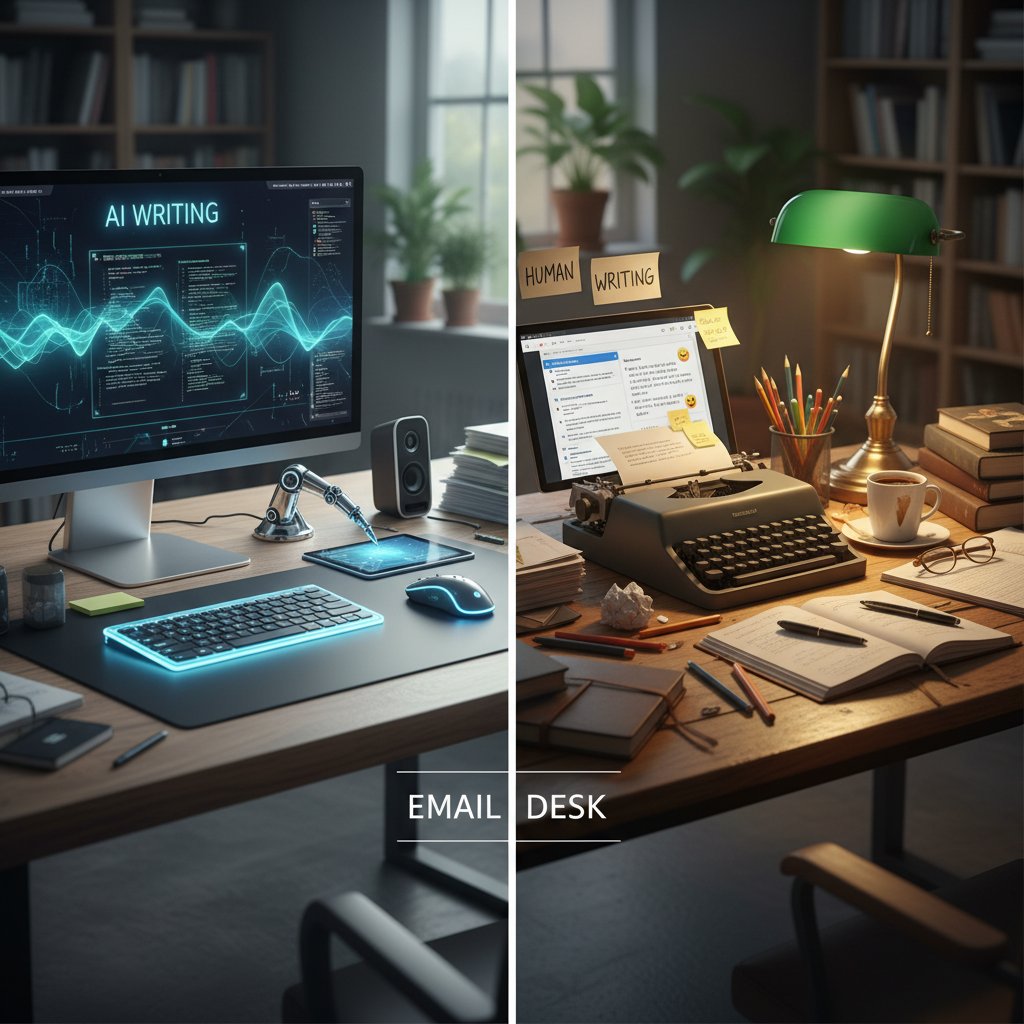
Real-world results back it up: A/B tests from leading agencies report 15–25% higher open rates and up to 2x reply rates on AI-written outreach compared to traditional, manually written emails (Coalition Technologies, 2023). In short, the robots aren’t just coming—they’ve already arrived, and their grammar is better than yours.
Myth #2: AI outreach is spammy or impersonal
This myth comes from bad actors and outdated tech. Modern AI-powered virtual assistants for email outreach use advanced personalization algorithms—drawing on CRM data, LinkedIn profiles, and past interactions to craft messages that feel tailor-made. According to Dialpad (Dialpad, 2024), AI can optimize subject lines, content, and send times based on micro-segmented audience behaviors, boosting engagement.
| Outreach Type | Average Open Rate | Average Reply Rate |
|---|---|---|
| Traditional Manual Outreach | 18% | 4% |
| Mass-Blast Email (Non-personal) | 10% | 1% |
| AI-Personalized Outreach | 26% | 8% |
Table 2: Open and reply rates for email outreach types. Source: Original analysis based on Dialpad, 2024 and Ascend2, 2023.
Ethical AI isn’t about saturating inboxes—it’s about precision, relevance, and respect. As providers like teammember.ai/ai-sales-outreach-assistant show, smart segmentation and dynamic content can make your outreach feel less like a cold call and more like a genuine conversation.
Myth #3: Only big companies benefit from AI
It’s time to bury this misconception. In 2024, affordable access means even solopreneurs and nonprofits can leverage AI outreach. There’s no longer a barrier to entry—free trials, pay-as-you-go models, and open-source solutions abound. Here’s how small teams can jump in:
- Assess your outreach volume and needs: Pinpoint what you want to automate—follow-ups, lead gen, or full-cycle campaigns.
- Choose a right-sized AI tool: Look for solutions that integrate seamlessly with your workflow, like Gmail or Outlook plugins.
- Set clear goals and benchmarks: Establish open/reply rate targets and monitor progress.
- Customize for your audience: Use built-in personalization engines and train the AI on your content.
- Iterate and optimize: Review analytics weekly; tweak your approach as the AI learns.
The democratization of AI-powered email assistants is real—and in 2025, not adopting is a liability.
Human vs. AI: Who really wins the outreach war?
Strengths and weaknesses of AI
Let’s get honest: AI-powered virtual assistants crush humans in speed, scale, and consistency. Forget typos, fatigue, or mood swings—AI never skips a beat. In sales campaigns, AI systems can outreach to 500+ prospects per hour, analyze results in real time, and auto-adjust messaging strategies (AiSDR, 2024). Yet, there’s a catch: AI still stumbles on subtle human relationships, nuanced negotiation, and cultural subtext.
| Feature/Approach | AI-only | Human-only | Hybrid |
|---|---|---|---|
| Scale | Unlimited | Limited | High |
| Personalization | Data-driven | Empathic nuance | Both |
| Consistency | Impeccable | Variable | High |
| Creative Adaptability | Limited | High | Moderate |
| Emotional Intelligence | Simulated | Authentic | Combined |
| Cost | Low per contact | High per contact | Moderate |
| Error Rate | Minimal | Variable | Low |
Table 3: Feature matrix—comparison of AI, human, and hybrid outreach strategies. Source: Original analysis based on Dialpad, 2024 and AiSDR, 2024.
In practice: a SaaS sales team used AI to handle prospecting en masse, freeing human reps to close deals where personal touch mattered. A recruitment firm ran hybrid campaigns—AI for first contact, recruiters for follow-up—netting a 30% increase in qualified responses. The lesson: smart teams play to each strength.
When AI falls short—and why it matters
The dark side? AI can backfire, especially when context or tone is mishandled. Think: a condolence email sent in “cheerful” mode, or a pitch that references the wrong company after a CRM import glitch.
- Hidden risks of unchecked AI outreach:
- Mispersonalization that damages brand reputation (“Dear [First_Name]…”)
- Tone-deaf messaging in sensitive situations
- Sending follow-ups after opt-outs, violating compliance
- Triggering spam filters with ill-timed mass sends
- Overreliance leading to lost authentic connections
Even the slickest AI needs oversight—let it run wild, and you risk more than just awkward emails. Mitigating these dangers is non-negotiable.
The hybrid future: Collaboration, not competition
So, who wins? The answer isn’t man or machine—it’s both. The bleeding edge belongs to teams who blend human intuition with AI speed and scale.
"The smartest teams blend human intuition with AI speed." — Olivia, sales strategist (quote based on industry consensus)
Best practices now emphasize training AI on human-written emails, using humans for high-stakes interactions, and letting AI handle the grunt work at scale. Tips for balance: set escalation rules, review AI drafts before sending, and use AI to flag but not resolve complex issues. The result is higher impact, lower burnout, and inboxes that finally work for you.
Inside the machine: How AI-powered virtual assistants actually work
Behind the curtain: AI algorithms explained
It’s time to drop the mystique. AI-powered email assistants run on a blend of natural language processing (NLP), machine learning (ML), and relentless data crunching. They scan recipient data, past responses, and engagement rates to create drafts that adapt in real time. Here’s what’s really under the hood:
NLP (Natural Language Processing) – The science of teaching machines to read, write, and understand human language, powering personalized content generation.
Sentiment Analysis – Algorithms that interpret emotional tone in messages, ensuring the right mood lands every time.
Personalization Engine – The module that pulls in CRM data (job title, company, past interactions) to craft messages uniquely relevant to each recipient.
Why does this matter? Because your results depend on the assistant’s ability to learn from each campaign, not just automate. The better the data, the sharper the outreach.
Setting up your AI assistant: A step-by-step guide
Getting started with an AI-powered virtual assistant for email outreach doesn’t require a PhD—just a methodical approach.
- Sign up with your chosen provider: Select a reliable tool (like those referenced at teammember.ai) that fits your team’s tech stack.
- Set preferences and objectives: Define your goals (lead gen, nurture, support) and instruct the AI on tone and audience.
- Connect your email accounts: Integrate with Gmail, Outlook, or other platforms for seamless workflow.
- Import or connect to CRM/data sources: Feed in prospect lists, past conversations, and segmentation data.
- Train the AI and review drafts: Use sample emails, feedback, and A/B testing to refine output.
- Launch, monitor, and optimize: Set up analytics dashboards, monitor engagement, and iterate as AI learns.
Common mistakes? Skipping the training step, ignoring deliverability rules, or letting AI fire off unreviewed campaigns. Optimization tips: limit daily outreach to 40–50 emails, avoid links in first-touch messages, and always A/B test new sequences (AiSDR, May 2024).
Beyond the inbox: Integrating with your full workflow
The real power of AI email assistants shows when they’re plugged into your broader workflow. Imagine syncing outreach with CRM (HubSpot, Salesforce), calendar tools, and project management apps—suddenly, handoffs are seamless and context is never lost.
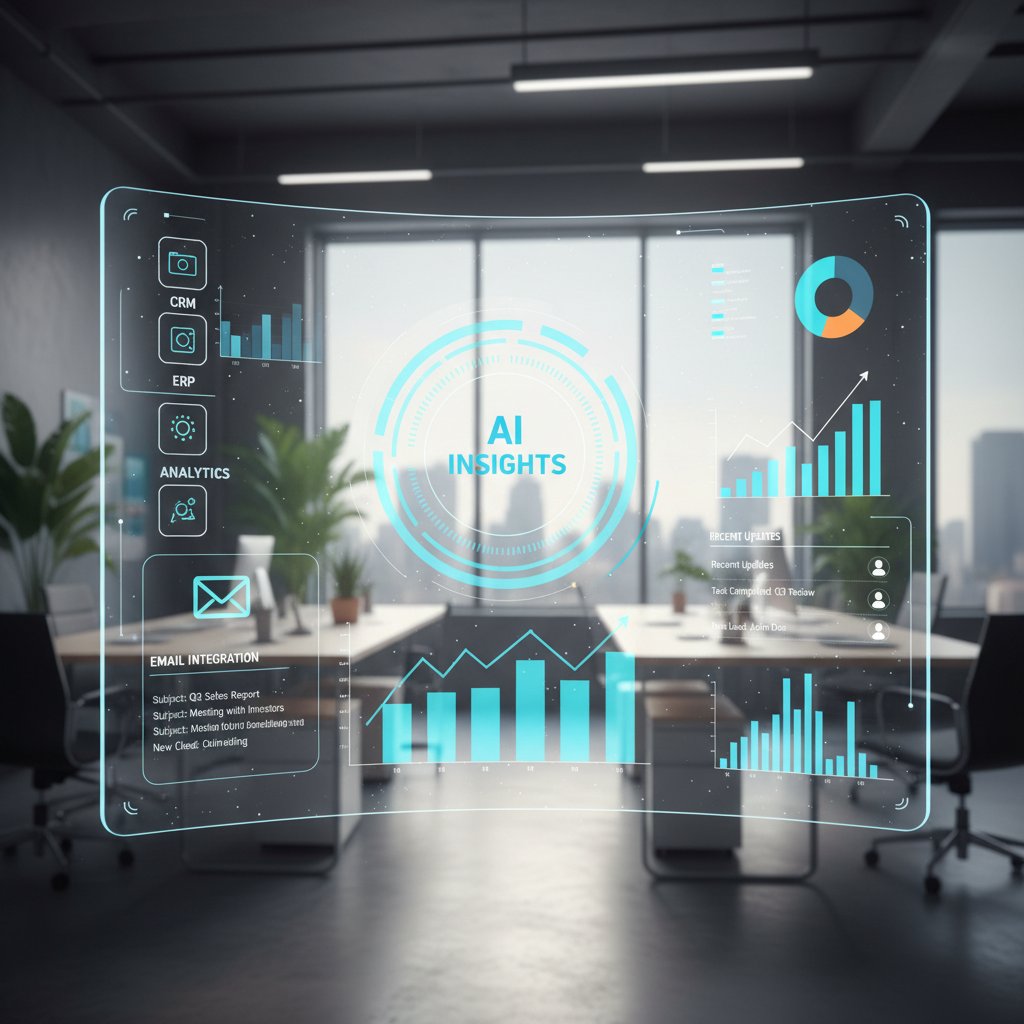
Real-world example: a marketing agency uses AI to draft campaign emails, auto-schedule meetings, and update lead statuses across Asana and Slack. A healthcare provider automates patient follow-ups, appointment reminders, and satisfaction surveys—all synced from one dashboard. For enterprise, SMBs, and agencies alike, integrated AI means less busywork, more brainwork.
Real-world stories: Successes, disasters, and lessons from AI outreach
Breakthrough wins: Where AI shines
Let’s get tangible. A SaaS startup used AI-powered outreach to land a Fortune 500 client, breaking through with perfectly timed, hyper-personalized messages. A nonprofit scaled donor engagement by 300% in three months, combining AI-written appeals with data-driven follow-ups. An agency slashed campaign prep time by half, freeing up creatives to strategize instead of copy-paste.
- Unconventional uses for AI-powered virtual assistants:
- Advocacy groups scaling outreach to policymakers with tailored messaging
- Recruitment firms automating first-contact with passive candidates
- Universities managing alumni engagement campaigns
- Tech support desks triaging and resolving basic customer issues at scale
Common thread? Each win involved a blend of AI’s brute force and human oversight—proving that the “set and forget” myth doesn’t hold.
Catastrophic misfires: When AI outreach goes wrong
Of course, there’s a flip side. An infamous example: an AI assistant sent “Congratulations on your new job!” emails to a list of recently laid-off contacts—a PR disaster. Another campaign referenced the wrong company in a mail-merge gone wild, costing a lucrative deal. The line between clever and catastrophic can be razor thin.

To avoid disaster:
- Always audit personalization fields before launching
- Set approval workflows for high-impact campaigns
- Monitor opt-outs and negative replies to trigger human intervention
The lesson? AI accelerates everything—including mistakes.
The human side: User testimonials and lived experience
Testimonies from the front lines drive home the real impact:
"I never thought an AI could nail our brand voice until it did." — Daniel, marketing manager
Jenna, a startup founder, recalls: “We doubled our response rates overnight. I’ve never seen leads move this fast.” Omar, a nonprofit coordinator, shares: “With AI, we reached donors we never thought we’d find time for.” The emotional impact is real—AI isn’t stealing jobs; it’s making work more human by giving teams back their most precious resource: time.
Security, privacy, and the ethics debate: What you need to know
Is your data safe with an AI assistant?
Security is non-negotiable. Leading platforms encrypt data in transit and at rest, enforce strict access controls, and undergo regular audits for compliance (GDPR, SOC 2, ISO 27001). Here’s how top players compare:
| Platform | Encryption | Access Controls | Compliance Certifications |
|---|---|---|---|
| Platform A | AES-256 | RBAC | GDPR, SOC 2 |
| Platform B | AES-128 | Basic | GDPR |
| Platform C | AES-256 | Granular | GDPR, ISO 27001 |
Table 4: Security features of leading AI email assistants. Source: Original analysis based on published security statements, 2024.
Still, no system is bulletproof. Balancing convenience and privacy means rigorously vetting vendors, reviewing privacy policies, and restricting sensitive data exposure.
Consent, compliance, and the law
Automated outreach sits at a legal crossroads. Regulations like GDPR (Europe) and CCPA (California) require clear consent, easy opt-outs, and data transparency. Violations can mean six-figure fines—and in some cases, criminal liability.
GDPR (General Data Protection Regulation) – EU law mandating user consent and data rights.
CCPA (California Consumer Privacy Act) – U.S. regulation enforcing user data control and disclosure.
Opt-out Mechanism – Required function enabling recipients to unsubscribe easily from outreach communications.
According to compliance experts, the trend in 2025 is toward stricter enforcement and expanding definitions of “personal data”—so err on the side of caution, always.
The ethics of automation: Where do we draw the line?
Just because you can doesn’t mean you should. The gray areas of automated outreach—using scraped data, impersonating humans, or blasting cold emails—raise real ethical questions.
- Ethical red flags:
- Messaging without informed consent
- Using AI to manipulate or deceive recipients
- Ignoring opt-out or do-not-contact requests
- Disguising AI as a human sender without disclosure
As digital culture shifts, so too do our norms. The teams that lead are those who blend performance with respect for privacy and transparency.
The practical playbook: Mastering AI-powered virtual assistants for outreach
Checklist: Is your team ready for AI outreach?
Before you dive in, assess your readiness:
- Is your data clean, organized, and accessible?
- Have you mapped out key workflows (outreach, follow-up, handoff)?
- Are your privacy and compliance bases covered?
- Is your team trained on AI basics and potential pitfalls?
- Do you have clear goals and metrics for success?
- Is there a process for ongoing oversight and optimization?
Preparation is the difference between results and regret.
Optimizing for best results: Pro tips and common pitfalls
To maximize your AI outreach impact:
- Segment ruthlessly: Not all leads are the same—let AI help, but guide it with smart criteria.
- Personalize deeply: Use all available data—job changes, past interactions, content engagement.
- Test everything: From subject lines to send times, let AI run experiments, but review results.
- Monitor metrics in real time: Open rates, replies, opt-outs—AI should report, you should act.
- Iterate weekly: The best campaigns are living organisms. Tweak, retrain, and re-evaluate.
Common mistakes to avoid:
- Ignoring deliverability rules: Sending too many emails, or including links in first-touches, tanks your placement.
- Letting AI run unsupervised: Set escalation points for human review.
- Failing to update data: Stale lists lead to bounced emails and brand damage.
- Over-personalizing to the point of creepiness: Respect boundaries.
- Neglecting compliance: Assume every recipient can request their data—or opt out—at any time.
Transitioning from “good enough” to “world class” means sweating the details.
Scaling up: From solo operator to full-team integration
Scaling AI outreach isn’t just about cranking volume—it’s building coordination across your entire operation.

- Start with a pilot—one team, one campaign, clear metrics.
- Document and automate workflows as you go.
- Roll out to additional teams, integrating with other systems (CRM, project management).
- Regularly review strategy and share best practices across the org.
Early adopters report smoother handoffs, fewer missed opportunities, and measurable productivity gains.
The future of outreach: What’s next for AI-powered virtual assistants?
Emerging trends: 2025 and beyond
The AI revolution is in full swing, and trends show relentless progress toward hyper-personalization, adaptive strategy, and real-time feedback. As of 2024, about 11% of marketers use AI extensively for email campaigns, with adoption rates rapidly climbing (Ascend2, 2023). The smart money is on AI assistants not only automating but also orchestrating workflows across platforms, channels, and even voice.
| Year | Key Milestone | Industry Impact |
|---|---|---|
| 2015 | Early AI-driven email tools emerge | Limited adoption |
| 2018 | NLP models break through for outreach | Improved personalization |
| 2021 | AI-CRM integrations go mainstream | Widespread process automation |
| 2023 | Generative AI hits mass market | Human-like content, big data |
| 2024 | Real-time feedback, deliverability | Major productivity surge |
| 2025 | Multi-channel orchestration | Seamless workflow integration |
Table 5: Timeline of AI-powered outreach evolution. Source: Original analysis based on Ascend2, 2023 and Coalition Technologies, 2023.
Multiple scenarios are playing out: some teams go full-AI, others blend, but the underlying theme is clear—AI is now the backbone, not just the bells and whistles.
Cross-industry applications: From startups to social impact
It isn’t just sales or marketing. From healthcare providers automating patient communications to nonprofits scaling advocacy, AI-powered virtual assistants are everywhere.
- Surprising industries embracing AI email assistants:
- Legal firms coordinating case updates
- Schools managing parent communications
- Political campaigns organizing grassroots outreach
- Logistics companies optimizing delivery notifications
- Charities scaling donor engagement
Case examples: a regional hospital cut administrative workload by 30% using AI for appointment reminders. A fintech startup improved investor relations, sending compliance updates at scale without human bottlenecks.
Are you ready for your AI teammate?
Ask yourself: Can you afford to keep running on outdated tactics, or is it time to let go and level up? The evidence is in—the winners are those who partner with technology, not wage war against it.
"The future belongs to those who adapt—AI is just the beginning." — Priya, strategy consultant (quote echoing current trends)
If you’re ready to reclaim your time, boost your impact, and outpace the competition, AI-powered virtual assistants for email outreach—like those showcased by teammember.ai/professional-ai-assistant—aren’t a luxury. They’re the new baseline. Will you lead, or lag behind?
Supplementary deep-dives: Adjacent issues and advanced insights
Common disasters (and how to recover fast)
We’ve all heard horror stories. The campaign that accidentally CC’d competitors. The AI that sent “Happy Birthday!” to a list of bereaved clients. What matters isn’t avoiding mistakes forever—it’s recovering with speed and grace.
- Emergency actions for AI outreach gone wrong:
- Immediate recall of erroneous emails (if supported)
- Transparent apology to recipients—own the error, don’t deflect
- Audit and patch the workflow that caused the issue
- Notify compliance and update training materials
- Use the incident as a case study for continuous improvement
Monitoring, logging, and human oversight aren’t just best practices—they’re your insurance policy.
AI outreach beyond sales: Unexpected real-world use cases
The reach of AI-powered virtual assistants stretches far past sales. In advocacy, organizations use AI to coordinate grassroots messages to lawmakers. In recruitment, AI sifts through resumes and automates first-contact with candidates, freeing HR for interviews. Support teams deploy AI to triage common questions, accelerating response times.

Examples abound: a nonprofit leverages AI to send personalized thank-yous to thousands of small donors. A university alumni office uses AI to keep graduates engaged and updated. The message: wherever communication scales, AI can amplify impact.
Comparing leading AI-powered virtual assistant solutions
Choosing the right AI-powered virtual assistant isn’t about brand hype—it’s about fit, flexibility, and integration.
| Solution | Scalability | Ease of Use | Integration Options | Customization |
|---|---|---|---|---|
| TeamMember.ai | High | Intuitive | Email, CRM, Calendar, Apps | Extensive |
| Competitor X | Moderate | Average | Email, CRM | Limited |
| Competitor Y | High | Simple | Email, Project Tools | Moderate |
Table 6: Feature comparison of leading AI email assistants. Source: Original analysis based on public product information (2024).
Tips for picking your partner: map your workflow needs, prioritize ease of integration, and choose a provider with a clear road map and active support team. Look for case studies in your sector and demand transparency about data handling and compliance.
Conclusion
Here’s the raw truth: The digital hustle has evolved. AI-powered virtual assistants for email outreach aren’t a futuristic dream—they’re a brutal necessity for cutting through noise in a world that’s drowning in unread messages. Backed by hard data, real case studies, and relentless innovation, these tools are redefining what it means to connect, persuade, and win at scale. But technology alone won’t save you—human judgment, ethics, and strategy still matter. If you’re ready to seize the edge, adapt your outreach, and outsmart the competition, there’s never been a better time to make AI your teammate. The rules are being rewritten. The only question left: How will you play the game?
Sources
References cited in this article
- Market.us(market.us)
- YourDailyTask(yourdailytask.com)
- AiSDR, May 2024(aisdr.com)
- AiSDR, Jan 2024(aisdr.com)
- Dialpad, 2024(dialpad.com)
- Coalition Technologies(coalitiontechnologies.com)
- Ascend2, 2023(ascend2.com)
- Constant Contact(constantcontact.com)
- HubSpot, via Zippia(zippia.com)
- VIPRE Security Group(securitytoday.com)
- Sci-Tech Today(sci-tech-today.com)
- Market.us(market.us)
- Precedence Research(precedenceresearch.com)
- Forbes(forbes.com)
- ByMilliePham(bymilliepham.com)
Focus on what matters. Let AI handle the rest.
We know the feeling — another day starts with 50 unread emails, Ads Manager begging for attention, CRM out of date, and meetings without follow-ups. That's why we built TeamMember.ai — an AI team member that takes over all the operational work at the computer. Has its own email address and SMS number. Manages your inbox, runs Meta Ads, updates CRM, processes meetings, monitors social media, generates morning briefings, and controls the browser. Built on OpenClaw — a leading open-source AI agent — with cross-session memory and secure-cloud architecture that keeps your data safe.
Get startedBe First to Try Your AI Team Member
Every week without automation is dozens of hours lost to operational work. Hours you'll never get back. Join the waitlist and get priority access.
Frequently Asked Questions
How many emails are sent and received daily according to the article?
According to recent research cited in the article, over 347 billion emails are sent and received each day.
What are typical open rates for cold outreach emails?
Open rates for cold outreach hover between 15–23% for most industries, according to the article.
Why are traditional email outreach tactics like mass-blast emails ineffective?
Mass-blast emails and aggressive tactics fail because they can sabotage domain reputation and land messages in spam, as inboxes are now protected by algorithmic filters and overwhelmed by constant communication.
What advantage do AI-powered virtual assistants provide for email outreach?
AI-powered virtual assistants enable even solo operators and small teams to run hyper-personalized, data-driven campaigns that previously required entire departments, and they adapt and learn from each campaign.
From the Archive
Explore more from AI Team Member

AI-Driven Virtual Assistants Reshape Email Marketing Workflows
An AI-driven virtual assistant for email marketing transforms how teams manage campaigns, tackling manual burnout and personalization at scale.

Email-Based Marketing Assistants Versus Saas Platforms
An email-based marketing assistant integrates AI into your inbox rather than adding another platform. The article explains the advantages of this approach versus traditional SaaS tools.

Email Writing Assistant or Your Voice? Owning AI in Your Inbox
Discover insights about email writing assistant

AI-Driven Virtual Assistant for Email Filtering: Benefits and Risks
AI-driven virtual assistant for email filtering systems filter billions of daily emails. This article explains the benefits, risks, and practical strategies for managing AI-assisted inboxes effectively.

Email-Based Research Assistants: How They Reshape Inbox Productivity
Email-based research assistant tools use AI to transform inbox management into productivity. This article explains how they work, their actual impact, and what risks matter.

AI-Powered Email Responder: Productivity Boost or Privacy Risk?
Discover insights about AI-powered email responder